Play Adverse Effects
Adverse Effects Screenshots







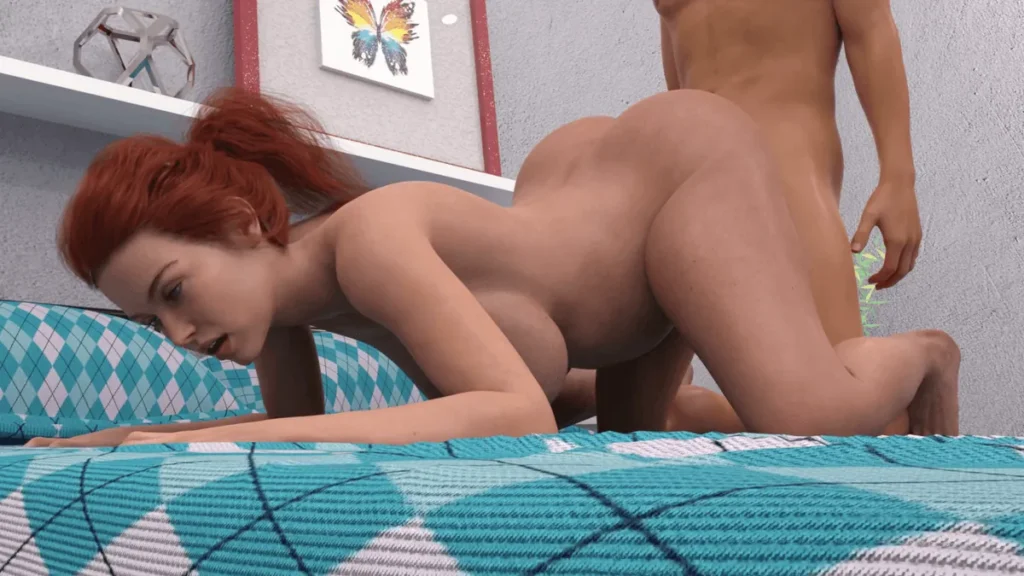
Adverse Effects review
Uncovering the real-world impacts and how to break free from its grip
Have you ever dived into ‘Adverse Effects,’ the controversial porn game that’s captivating players worldwide, only to feel a strange pull afterward? I remember my first session—it started as curiosity, but soon I noticed my focus slipping and relationships straining. This article dives deep into the adverse effects of ‘Adverse Effects,’ exploring how its intense, supranormal stimuli can rewire your brain, harm intimacy, and spark addiction cycles. We’ll break down the science-backed downsides, share real player stories, and offer actionable steps to reclaim your life. If you’re playing or considering it, read on to protect yourself from these sneaky pitfalls.
What Are the Core Adverse Effects of This Porn Game?
It started with a joke, a link sent in a group chat. “Check this out, it’s wild,” a friend said. A few days later, I noticed he wasn’t really replying to messages anymore. When I finally caught up with him, he looked drained. “I can’t stop thinking about it,” he admitted, talking about that game, Adverse Effects. “My brain feels foggy, and I just… keep wanting to go back for one more round. It’s not even fun anymore, it’s a need.” That was my first real look at the adverse effects porn game phenomenon—not as a concept, but as a tangible force warping someone’s daily life.
This isn’t about casual gaming. Adverse Effects is engineered differently. Its core mechanics are built to bypass your natural enjoyment circuits and hook you directly into a cycle of craving and consumption. If you’ve felt that strange pull, that compulsion to play even when you don’t want to, you’re not weak-willed. You’re experiencing a carefully designed neurological trap. Let’s pull back the curtain on the core adverse effects of this experience and understand what’s really happening in your mind. 🧠⚡
How Supranormal Stimuli Hijack Your Brain
At its heart, Adverse Effects is a masterclass in delivering supranormal stimuli. Think of it this way: in nature, a ripe piece of fruit is rewarding. Now, imagine a scientist creates a fruit that is ten times brighter, sweeter, and more fragrant than anything found in the wild. Your brain, evolved for the natural fruit, goes into overdrive for this artificial super-fruit. That’s a supranormal stimulus—an exaggerated version of a natural reward.
This game is packed with them. The rapid scene changes, the overwhelming sensory input, the constant promise of a “bigger hit” just around the corner—it’s all calibrated to be more intense than anything you’d encounter in real life or even in standard entertainment. This triggers a massive and unsustainable release of dopamine, the brain’s key “reward” chemical. We’re not talking about the gentle dopamine nudge from finishing a task or enjoying a hobby. This is a dopamine overload Adverse Effects style, a flash flood that rewires your brain’s expectation system.
Over time, your brain adapts. It says, “Oh, this is the new normal for feeling good.” The neural pathways that light up during play become stronger and more demanding, while your response to everyday, subtle pleasures—a good conversation, a walk outside, reading a book—dulls in comparison. This is the foundational brain change caused by this pattern. Your reward system is literally being remodeled to prioritize the hyper-stimulation of the supranormal stimuli game, leaving you feeling flat when you’re not engaged with it. It creates a neurological “tolerance,” forcing you to seek more of the game just to feel baseline okay. 🔄
Common Psychological Toll on Players
The brain changes don’t stay confined to your gaming sessions. They spill over, coloring your entire world with a grey filter. This is where we see the severe psychological toll porn game mechanics extract. Players often report a cluster of symptoms that mirror broader states of dissatisfaction and distress:
- Anxiety and Irritability: When you’re not playing, there can be a background hum of unease. Your brain is subtly craving its “fix,” and this manifests as low-grade anxiety, restlessness, or snapping at small inconveniences.
- The Motivation Void: Why bother with your real-life goals when the game offers a faster, more intense (though empty) reward? The dopamine overload Adverse Effects creates can drain your motivation for hobbies, work, and personal projects. Everything else feels like too much effort for too little payoff.
- Low Mood and Social Withdrawal: After the intense high of a session crashes, a low mood often follows. This, combined with the secretive nature of the habit and the way it hijacks your social drive, can lead to isolating yourself from friends and family. You might feel ashamed, or simply find real interaction less stimulating.
The impact is systemic. It’s not just “feeling a bit down”; it’s a pervasive shift in your emotional baseline.
To see the contrast clearly, let’s look at how this differs from a standard gaming experience:
| Aspect | Normal Gaming | Adverse Effects |
|---|---|---|
| Brain Reward | Moderate, predictable dopamine release from achievement, story, or skill. | Intense, unpredictable **dopamine overload** from supranormal stimuli, creating craving. |
| Emotional State | Enjoyment during play, neutral or positive state after. | Intense rush during, often followed by low mood, anxiety, or shame afterward—a key **psychological toll**. |
| Daily Functioning | Gaming is a contained activity. Motivation for other life areas generally remains intact. | Gaming cravings intrude on daily life. Loss of motivation for non-game activities is common. |
Why It Leads to Desensitization and Escalation
This is perhaps the most dangerous slope: desensitization from Adverse Effects. Just like with any substance or intense stimulus, your brain and nervous system get used to the current “dose.” What shocked or intensely aroused you in the first week of playing becomes mundane by the third. The game loses its punch. 😟
So, what do you do? The brain, craving that original intensity, pushes you to seek a stronger hit. In the context of Adverse Effects, this often means:
* Playing for longer, unplanned sessions.
* Seeking out more extreme or novel content within the game’s framework.
* Thinking about the game constantly when you’re away from it, planning your next session.
This escalation cycle is the hallmark of deepening involvement. You’re no longer playing for pleasure; you’re playing to quiet a craving or to feel something again. This directly answers what causes brain changes in porn games—it’s this cycle of overload, tolerance, and escalation that physically alters your neural pathways, making the behavior more automatic and harder to resist.
The real-world cost is a growing disconnect from authentic life. Real intimacy, real excitement, and real achievement require vulnerability, effort, and patience. They can’t compete with the artificial, on-tap intensity of the game. This leads to a profound dissatisfaction with normal life, creating a feedback loop where you escape to the game because you feel numb in your life, which only makes you more numb. It’s a trap.
“I started with maybe 30 minutes a night. Within a month, I was losing 3-hour chunks of my evening. I’d tell myself I was just exploring the game mechanics, but I was chasing a feeling. Then I started noticing I’d zone out during dinners with my partner, thinking about the game. I was there, but I wasn’t present anymore. That’s when I got scared.” – Mark, 28
So, what can you do if this sounds familiar? Awareness is your first and most powerful tool. Start by objectively tracking your playtime for a week—no judgment, just data. Notice the cravings: when do they hit? What emotion or situation triggers them? These are your early Adverse Effects addiction signs: the inability to stick to time limits, neglecting responsibilities, using the game to cope with stress or negative emotions, and continued use despite negative consequences to your mood or relationships.
Breaking this cycle is about gently retraining your brain. It means consciously reintroducing those “natural fruits”—the slower, healthier sources of dopamine and connection. It means creating friction between you and the game (like using site blockers or deleting shortcuts) and filling that time with anything else, even if it feels boring at first. Your brain needs time to recalibrate its reward system. 🛠️
Understanding these core adverse effects—the hijacked brain, the psychological toll, and the creeping desensitization—isn’t meant to scare you, but to empower you. It explains why “just stopping” feels so hard. It’s not a willpower problem; it’s a wiring problem. And the good news is, neural pathways can be rewired. In the next chapter, we’ll map out the practical path to recovery, rebuilding a brain and a life that finds deep satisfaction far beyond the screen.
We’ve unpacked the serious adverse effects of ‘Adverse Effects,’ from brain rewiring and emotional drain to fractured relationships and escalating cravings. My own journey out involved setting strict boundaries, seeking support, and rediscovering real connections—proving change is possible. If this resonates, take that first step today: delete the game, journal your triggers, and reach out to a trusted friend or professional. Your future self will thank you for choosing balance over the game’s seductive trap. Start your recovery now and reclaim the vibrant life waiting beyond the screen.