Demons of the Hearth
Play Demons of the Hearth
Demons of the Hearth Screenshots








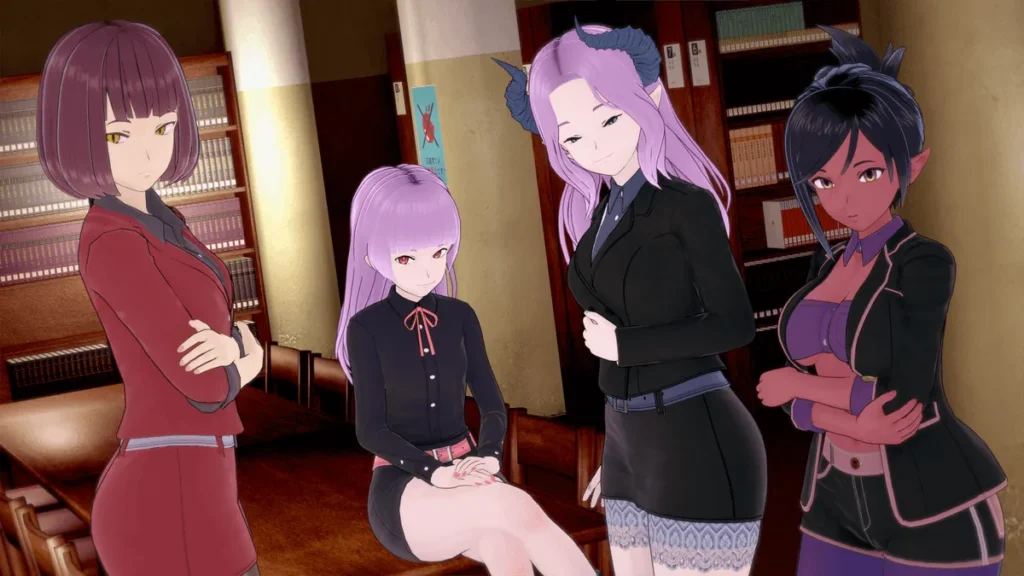
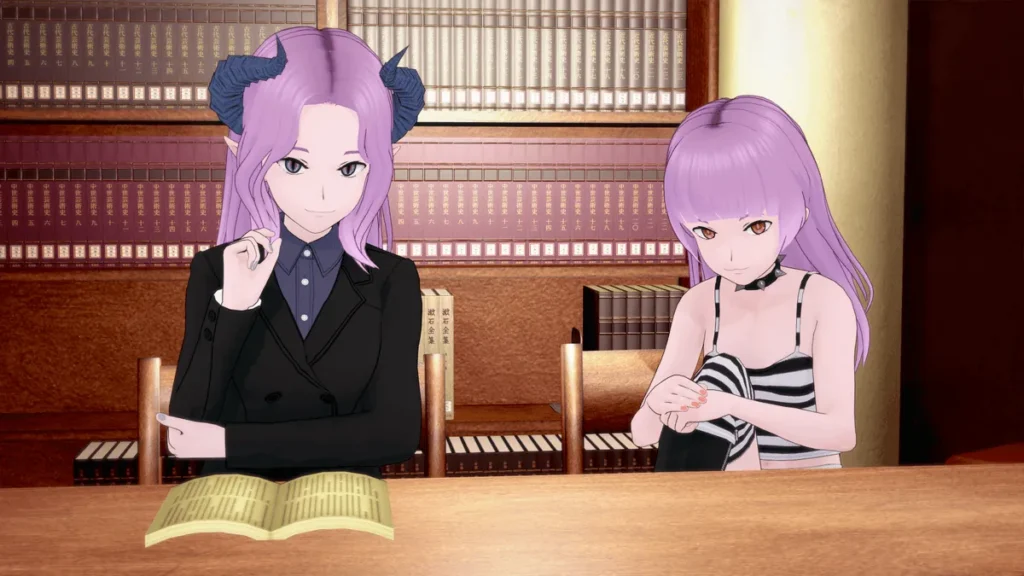
Demons of the Hearth review
Dive into Storytelling, Characters, and Intimate Gameplay
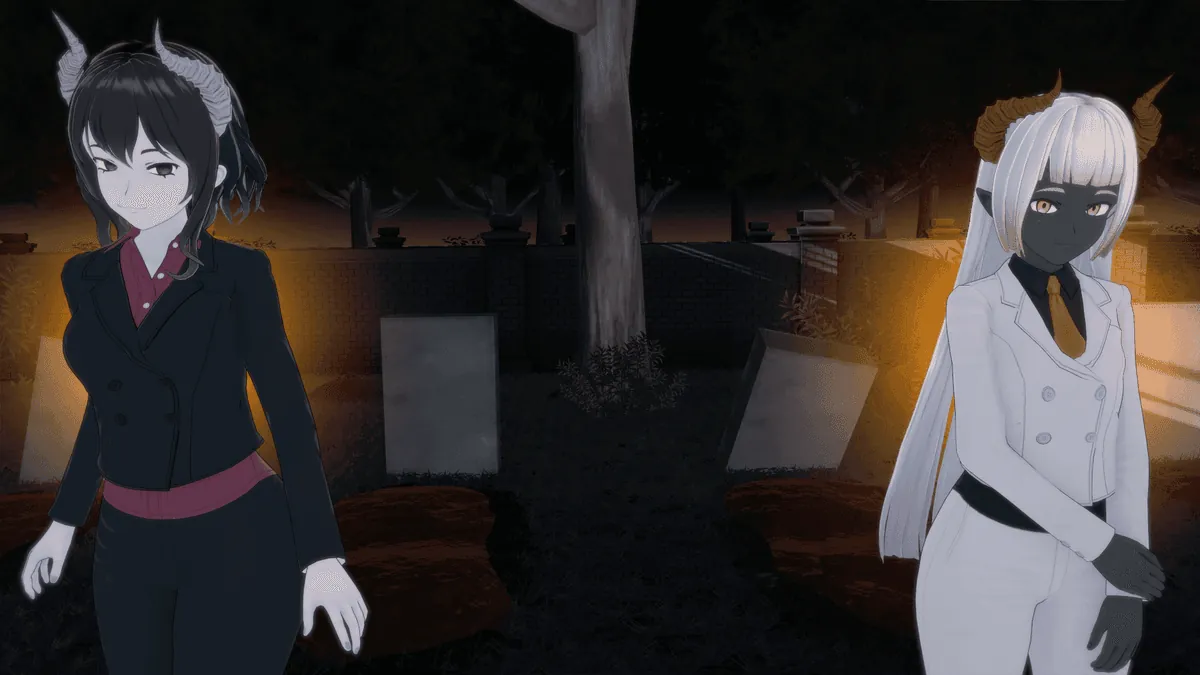
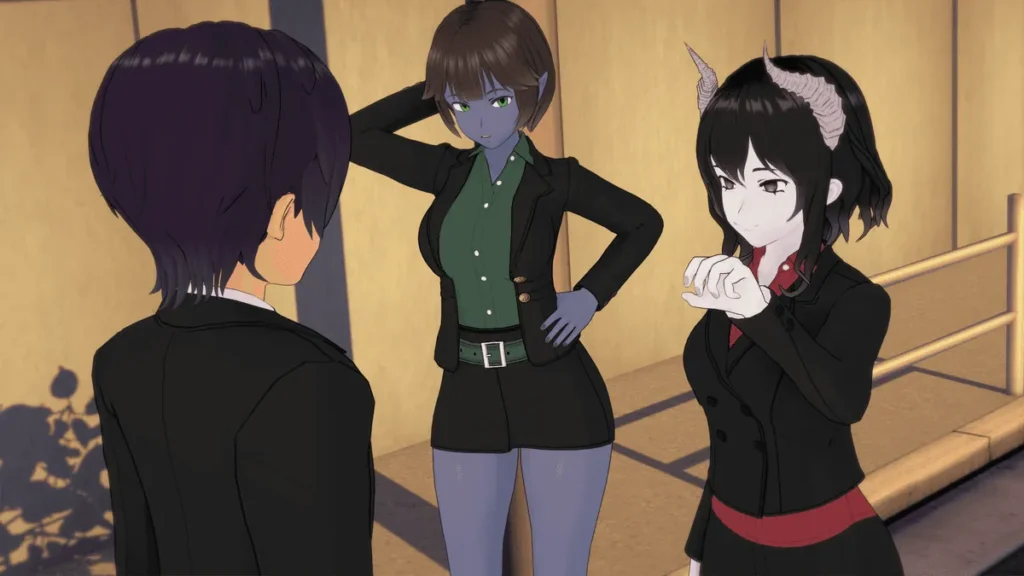
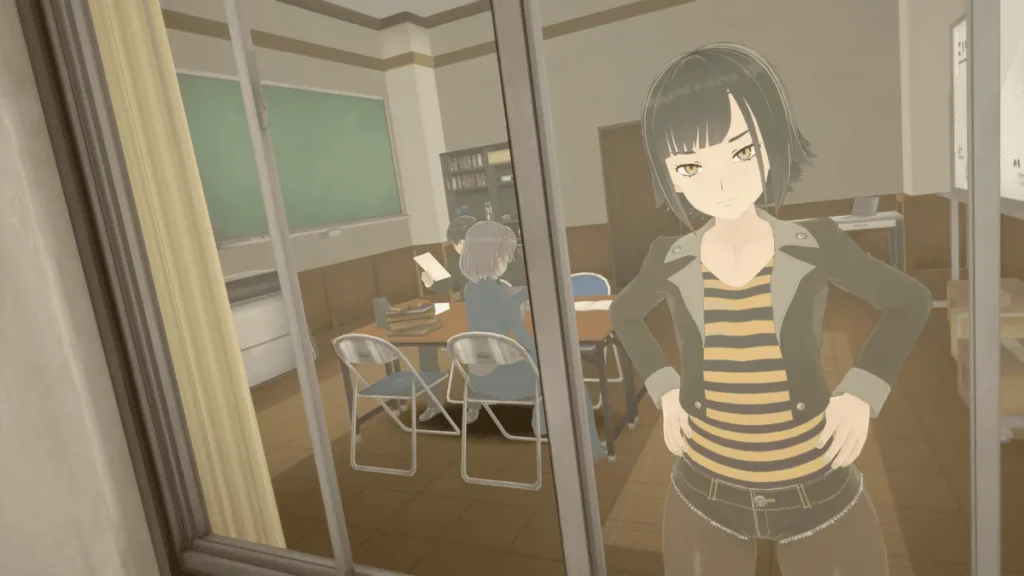
Ever stumbled upon a game that hooks you with its gripping tale of family secrets and hidden dangers right in your own home? That’s Demons of the Hearth for you—a visual novel that turns everyday life into a thrilling adventure packed with deep relationships and steamy encounters. I remember my first playthrough; I was up till 3 AM, heart racing as I uncovered twists with the Ilvog sisters and mysterious neighbor Rhys. This Demons of the Hearth guide breaks down everything from its immersive story to clever trust mechanics, helping you master the sandbox exploration and side quests. Whether you’re chasing the main plot or those tantalizing intimate moments, let’s get you immersed in this underrated gem.
What Makes Demons of the Hearth Gameplay So Addictive?
I still remember my first proper session with Demons of the Hearth gameplay. I told myself I’d just play for an hour to get a feel for the story. Three hours later, I was still there, completely absorbed in a quiet conversation with a character about their fears, my choices feeling heavier than any boss battle I’d ever fought. That’s the magic hook of this game: it replaces combat with conversation, and loot with emotional payoff. The core loop isn’t about grinding for experience; it’s about investing in moments. You live in the house, you talk, you disagree, you support, and you slowly watch the story—and your relationships—unfold because of it. It’s a masterclass in interactive storytelling where your attention is the most valuable currency.
This addictive quality doesn’t come from flashy effects, but from a profound sense of consequence and connection. Let’s break down exactly what makes it so hard to put down.
How the Trust System Shapes Your Journey
At the absolute heart of the Demons of the Hearth gameplay experience is the brilliant trust system Demons of the Hearth employs. This isn’t a simple meter you fill by picking obvious “nice guy” dialogue options. Think of it more as a living, breathing assessment of your character’s authenticity. Every interaction is a building block.
You build trust through consistent, respectful engagement. Asking Ilvog about her art, remembering a detail Sorrel mentioned about his past, or simply choosing to share a quiet meal—these are the foundations. But here’s the crucial, genius part: trust can also grow through respectful disagreement. 🫣 Agreeing with everything someone says feels hollow. Sometimes, challenging a character’s self-destructive viewpoint (gently, and with a foundation of care already established) can trigger massive leaps in trust. It shows you’re listening and that you care enough to be honest.
This system directly triggers events. There’s no grinding; progress in Demons of the Hearth is gated by emotional thresholds, not numerical ones. A certain level of trust with Sariel might unlock a late-night kitchen conversation where she reveals a vulnerability. Reaching a key threshold with multiple family members might be the prerequisite to advance the main plot. The game constantly checks the state of these invisible bonds to decide what story beats to offer you next.
To visualize the core mechanics that drive this, here’s a breakdown:
| Mechanic | Description | Tips for Success |
|---|---|---|
| Trust System | The invisible measure of your authentic relationship with each character, built through conversations, shared activities, and key choices. | Use disagreements wisely; they can be more powerful than blind agreement if framed with respect. |
| Event Triggers | Story beats, both main and side, that unlock automatically when trust thresholds or world state conditions are met. | Be patient. If you’re stuck, talk to everyone again. New dialogue often appears after other events. |
| World State | The game’s internal tracking of completed events, choices made, and current character states (e.g., “Ilvog is worried about Sorrel”). | Check the main menu’s “Thoughts” or “Hints” section. It often subtly reflects the current world state and what might be needed next. |
Understanding this trust system Demons of the Hearth uses is your first step to mastering how to progress in Demons of the Hearth. You’re not playing against the game; you’re nurturing a story within it.
Navigating Sandbox Mode and Avoiding Common Stucks
Many players hear “sandbox” and think of boundless freedom with no direction. The sandbox mode Demons of the Hearth offers is different—it’s a curated freedom. You have the run of the house and its grounds, and time passes as you choose where to go and who to engage with. The story won’t be shoved in your face; you have to go find it. This is where some players get stuck, wondering how to progress in Demons of the Hearth.
The key is to understand that progression is often location-based and state-based. The game won’t highlight a quest marker above Sariel’s head. Instead, you need to enter locations to trigger events. Is the library described as “quiet” during the day but “occupied” at night? Go there at night. The main menu often holds subtle hints in its description of your current goals or the household mood—read it carefully!
A major point of confusion is prerequisites. Demons of the Hearth events unlock based on a cocktail of factors: a specific level of trust (with one or more characters), the time of day, whether you’ve witnessed a prior conversation, and the overall “world state.” You might need to complete a Demons of the Hearth side quests for Ilvog before the main plot will advance, because her emotional state is a key factor.
Here are my pro tips for mastering the sandbox mode Demons of the Hearth:
- Talk to Everyone, Always 🔄: After any significant event, make a round of the house. Characters will have new, often one-time-only dialogue that can hint at what to do next or deepen their story.
- Time is a Tool ⏳: If you’re stuck, try advancing time by entering different locations. Some events only trigger at dawn, dusk, or deep night.
- Check and Re-check Locations: A room that was empty an hour ago might now contain a character waiting for a conversation. The location description is your best clue.
- Prioritize Family Dinners 🍽️: The nightly meal is a prime event for subtle group dynamics and can often shift the world state or trigger new individual events afterward.
- Embrace the “Stuck”: If you truly can’t trigger anything new, it might be because you need to let time pass in-game. Sleep for a few days, live the routine. New story beats often need narrative space to breathe.
- Side Quests Are Main Quests: Treat every character’s personal thread as vital. Progress on their front is frequently the key to unlocking the central narrative.
- Document Your Journey: Keep a mental or physical note of character moods and mentioned worries. Demons of the Hearth events unlock when you act on these subtle cues.
So, what is sandbox mode in Demons of the Hearth, really? It’s an invitation to be curious, to live in the space, and to understand that the story is all around you—you just have to be present enough to witness it.
Unlocking Side Quests for Deeper Immersion
If the main story is the spine of the game, then the Demons of the Hearth side quests are its heart and soul. These aren’t fetch quests or simple errands; they are deep, emotional vignettes focused on a single character’s personal demons. They are the primary vehicle for understanding what makes each person in the house tick, and they are essential for meaningful how to progress in Demons of the Hearth.
The emotional impact of these quests is profound. In one playthrough, I focused heavily on Sorrel’s side quest about his lost craftsmanship. By helping him find a sense of purpose again, I didn’t just raise his trust; I fundamentally altered his interactions with everyone else in the house. This created a domino effect, unlocking a group event I’d never seen before where he tried to mend a strained relationship. That’s the replayability: each side quest you prioritize changes the family’s ecosystem.
These quests are also intimately tied to character routes and boundaries. For example, choosing to help Ilvog with a deeply personal family memory might open a path for greater closeness. Conversely, you might choose to refuse a particularly intimate or invasive path within her quest, which doesn’t lock you out but instead branches the narrative into a story about respectful distance and support from another angle. There’s no “failure,” only different shades of relationship.
My actionable advice? Prioritize dinner events with the Ilvog sisters. 🎨 These often seem like simple family moments, but they are golden opportunities to observe dynamics and pick up on threads you can follow individually later. Also, learn to wait for specific conditions. Some of the most powerful side quest conclusions only trigger after a main story beat has raised the emotional stakes for everyone.
In a memorable case study from my playthrough, I was stuck on Sariel’s route. The main plot wouldn’t budge. On a whim, I abandoned my focus on her and instead completed a side quest for a different, seemingly minor character. That quest’s resolution changed the household’s mood so dramatically that it gave Sariel the courage to finally approach me with her problem, unlocking the next main chapter. The Demons of the Hearth side quests are never just side stories; they are the soil in which the main story grows.
The addictive genius of Demons of the Hearth gameplay lies in its non-linear, organic growth. It feels real because it mirrors real relationships: they aren’t built in a straight line, they have lulls and sudden breakthroughs, and the small, consistent moments of attention matter more than any grand gesture. The trust system Demons of the Hearth uses validates your emotional intelligence, the sandbox mode Demons of the Hearth provides rewards your curiosity, and the rich Demons of the Hearth side quests ensure your investment always pays off in deeper story. You’re not just progressing a plot; you’re nurturing a fragile, beautiful world one conversation at a time. And that’s a loop that’s very, very hard to break away from. ✨
Demons of the Hearth stands out with its masterful blend of heartfelt storytelling, nuanced characters like the pragmatic sisters and witty Rhys, and a trust-driven gameplay that keeps you coming back for more layers. From sandbox explorations to pulse-pounding side quests and intimate developments, it’s a journey of rebuilding bonds amid lurking mysteries. My own dives into multiple routes showed me how every choice ripples through the narrative, creating truly personal tales. If you’re craving an adult visual novel with emotional depth and replay value, grab it now from itch.io, fire it up, and let the hearth’s secrets unfold. Your next favorite obsession awaits—what route will you chase first?