Elvensang
Play Elvensang
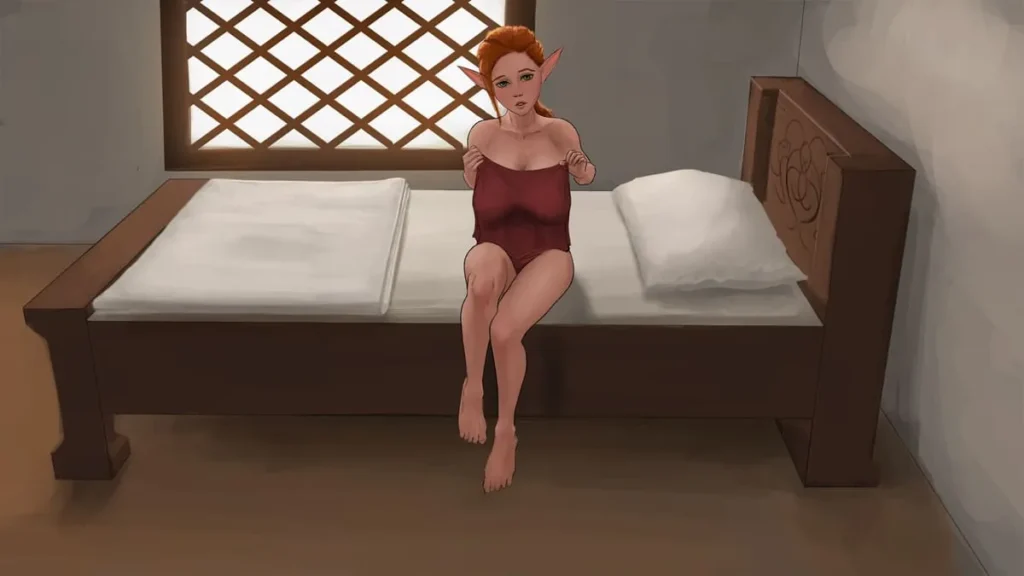
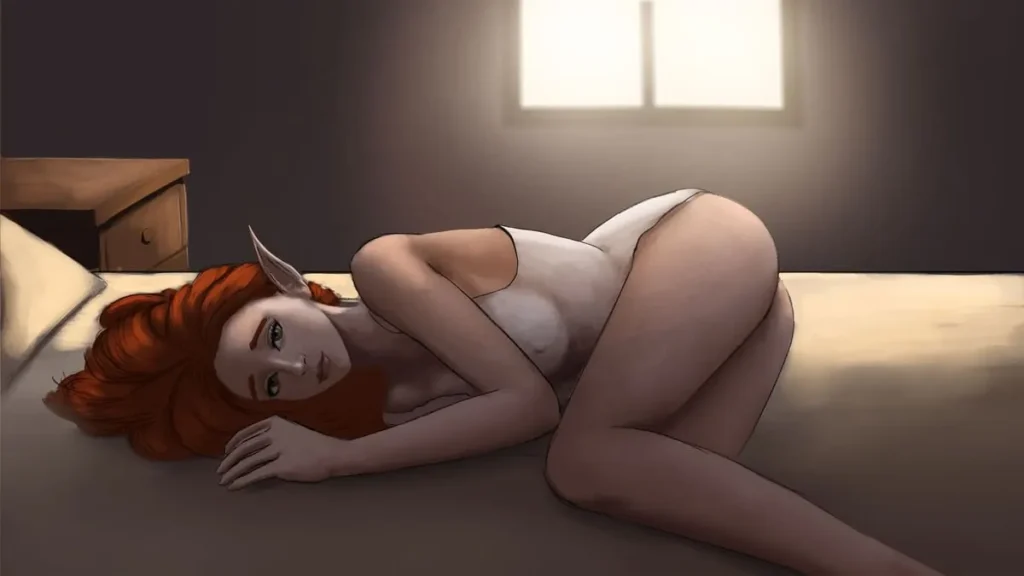
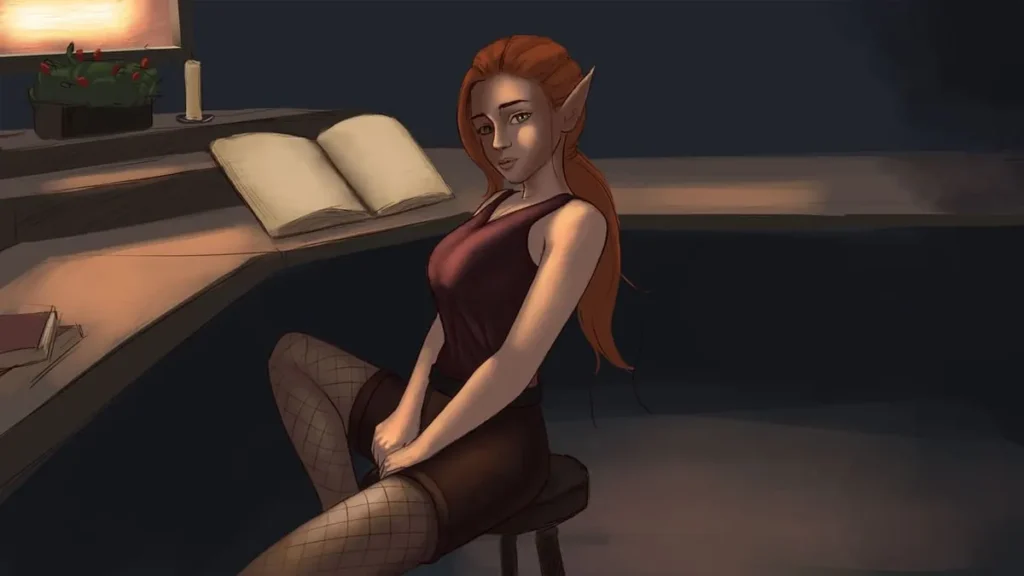
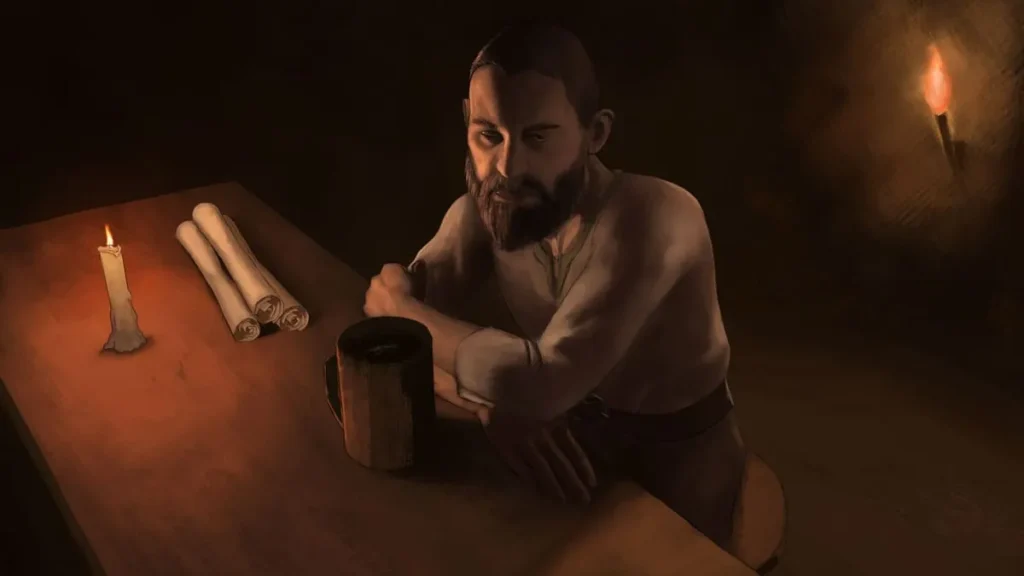
Elvensang Screenshots
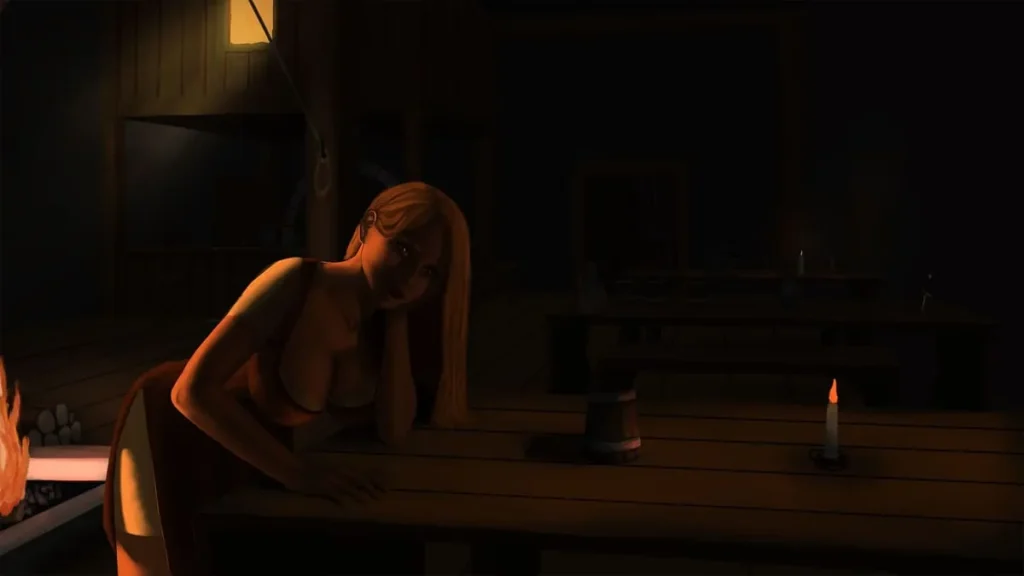
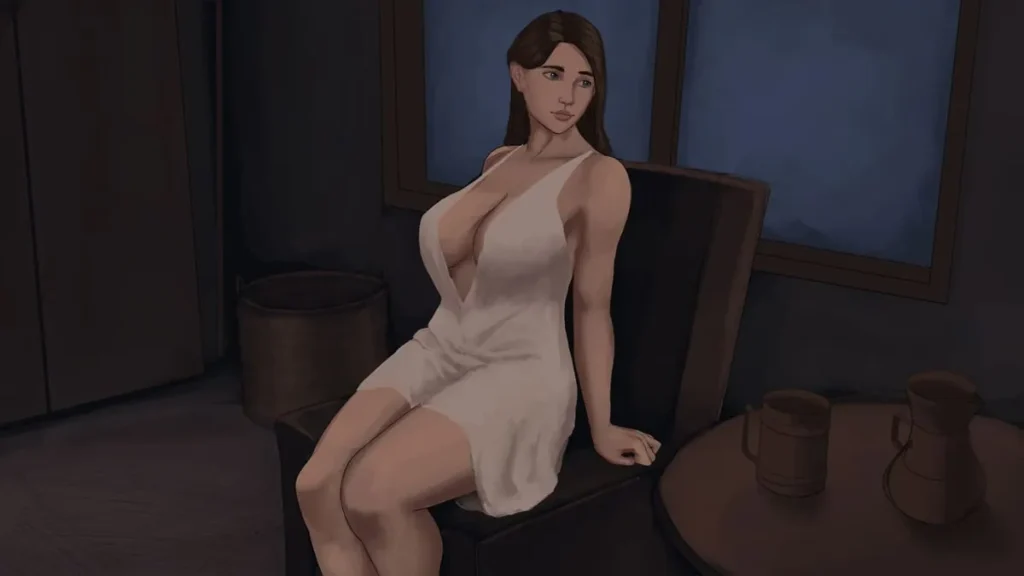
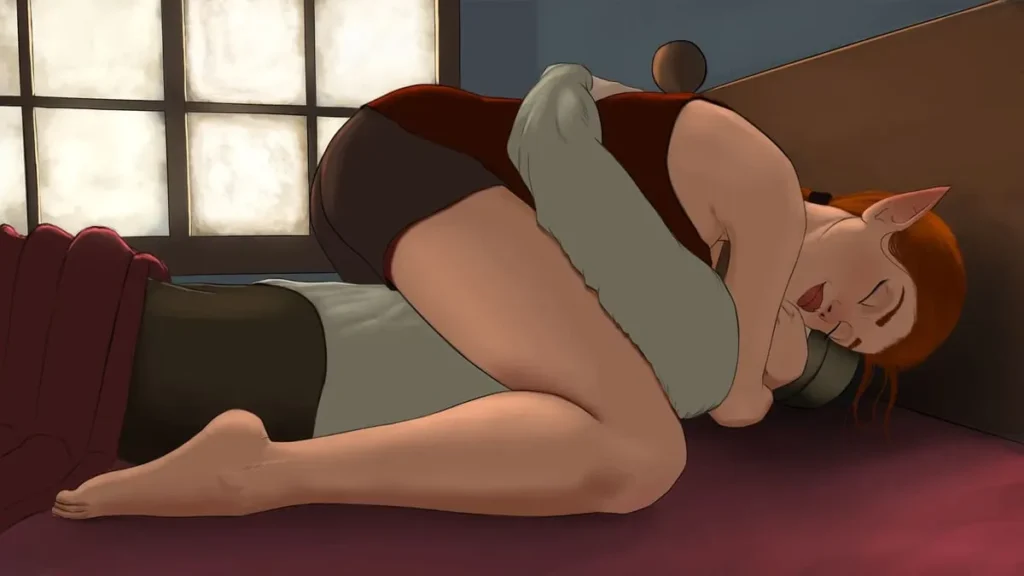
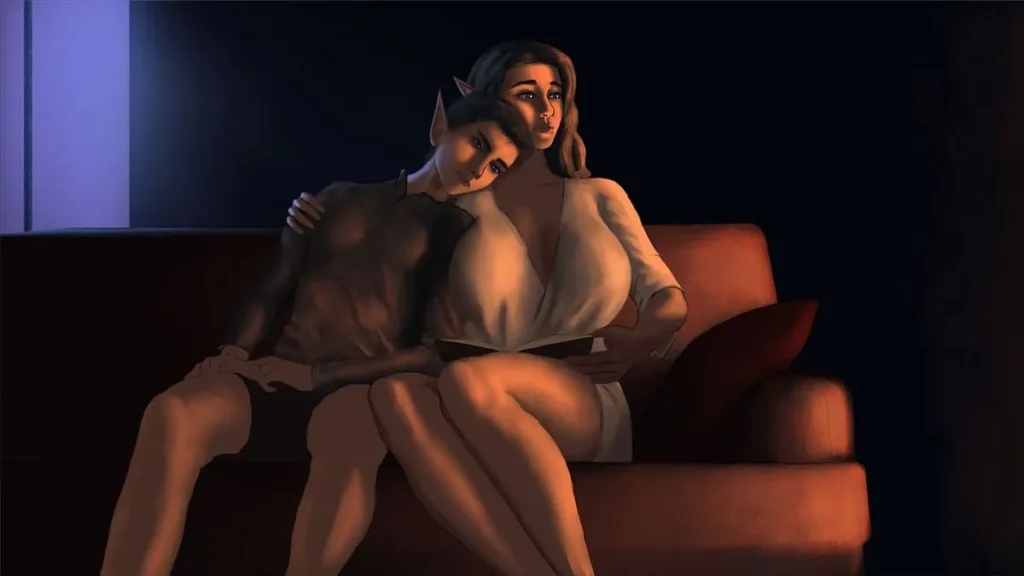
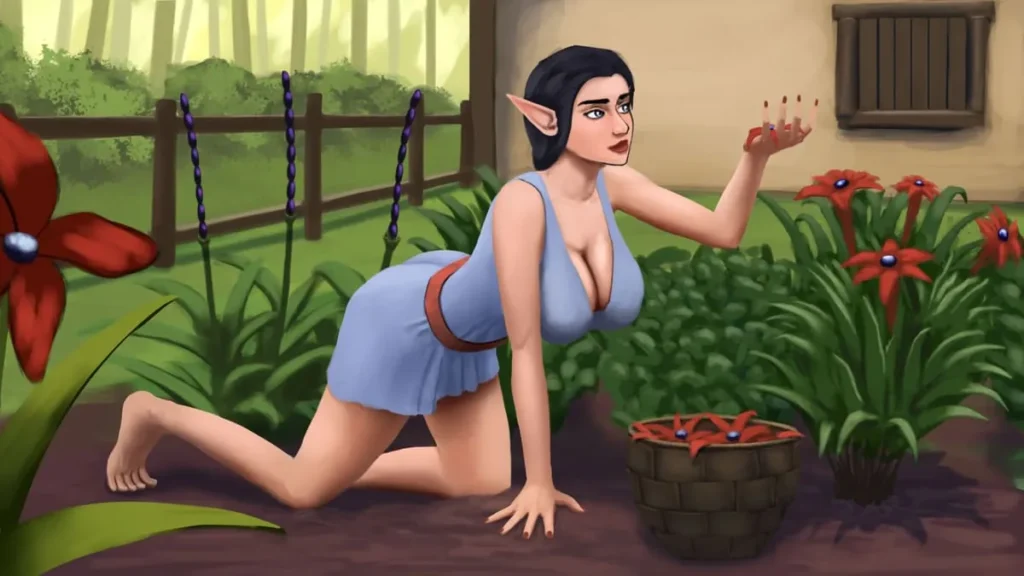
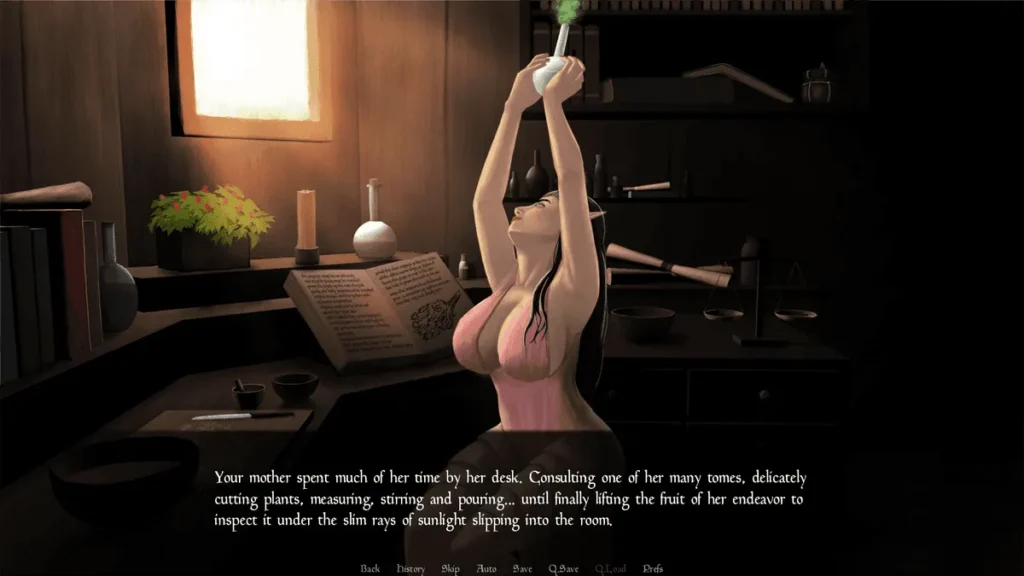
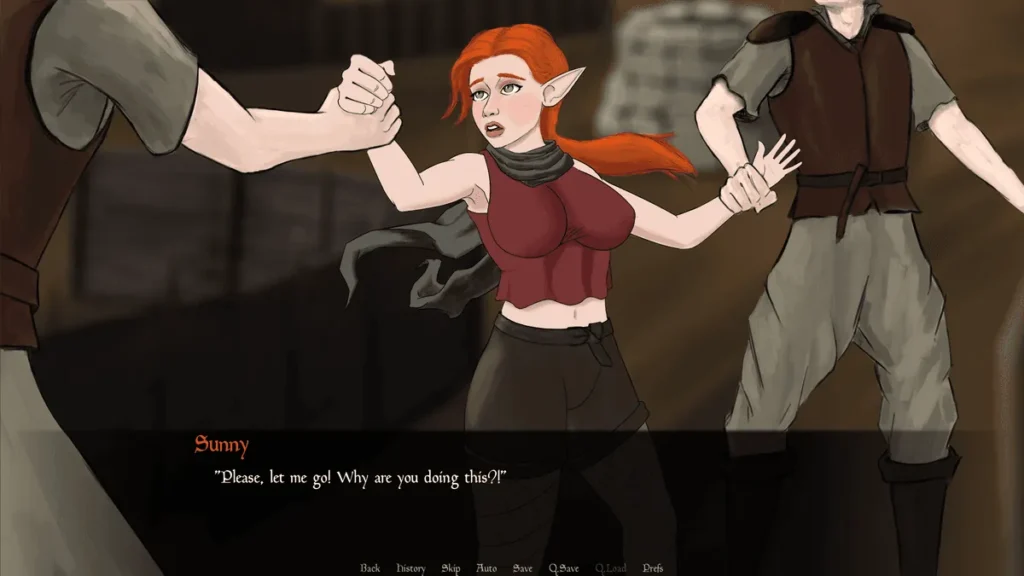
Elvensang review
Dive into the moral choices and fantasy romance of Worlaix’s captivating story
Imagine growing up as a young elf in a brutal human world that scorns your kind— that’s the gripping premise of Elvensang, the story-driven visual novel by Worlaix. Raised alone by your mother in an early medieval low-fantasy setting, every decision tests your morality, steering you toward tender romance or dark depravity. I first stumbled upon Elvensang during a late-night scroll through indie games, and its hand-drawn art and branching narrative hooked me instantly. Whether you’re chasing heartfelt connections or exploring edgier paths, this Ren’Py gem delivers immersion like few others. In this guide, I’ll share insider tips, character breakdowns, and why Elvensang Episode 5 remains a must-play despite its abandoned status.
What Makes Elvensang’s World and Story So Addictive?
Ever stumbled into a story that just… grabs you by the heart and refuses to let go? 😲 That was my experience with Elvensang. I downloaded it on a whim, expecting maybe a few hours of light fantasy fun. What I got instead was an emotionally charged journey that had me staring at my screen long after I’d closed the game, completely wrapped up in the fate of its elf protagonist. So, what is it about this Elvensang visual novel that hooks you so deeply? Let’s dive into the world of Worlaix and find out.
How Does the Elf Protagonist’s Journey Begin?
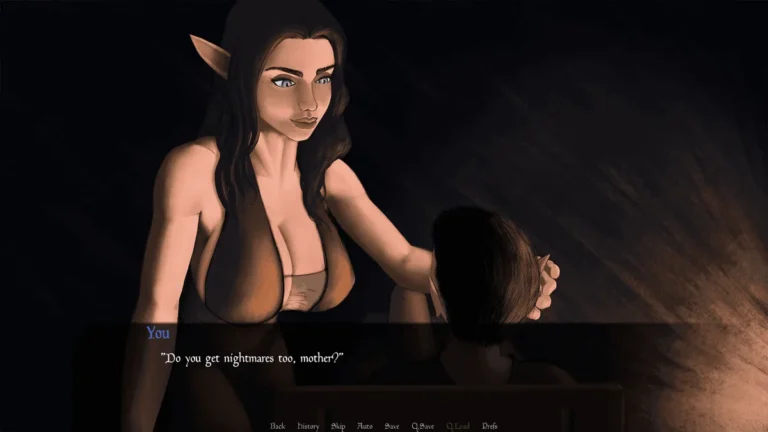
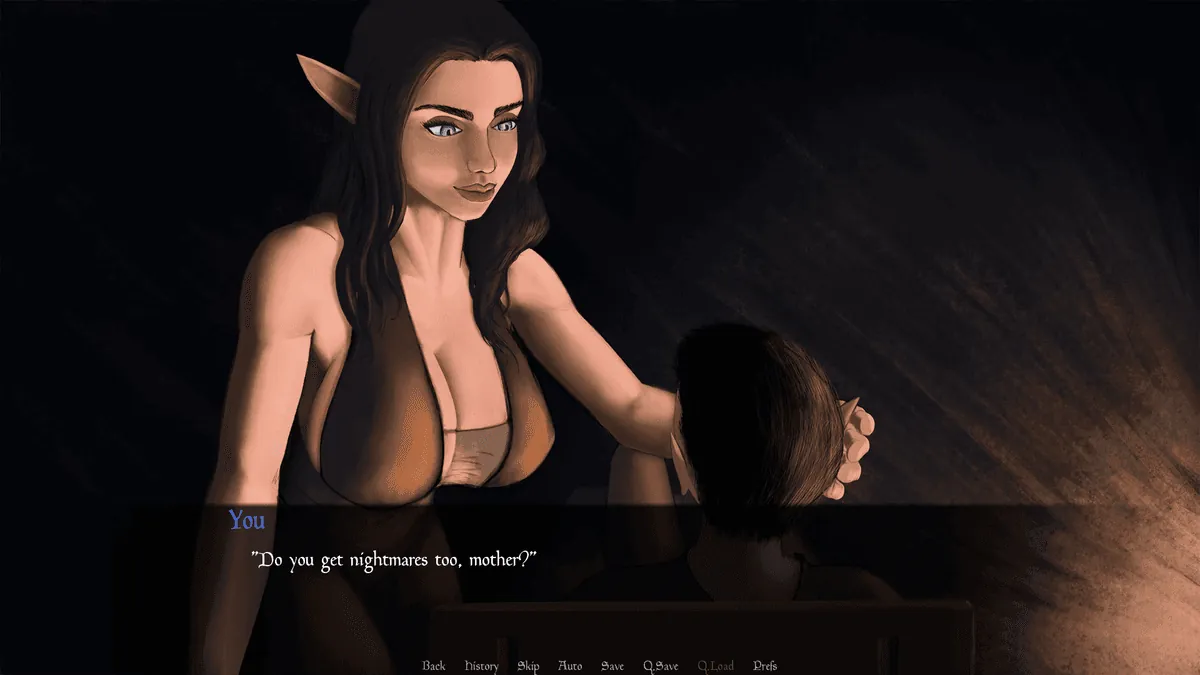
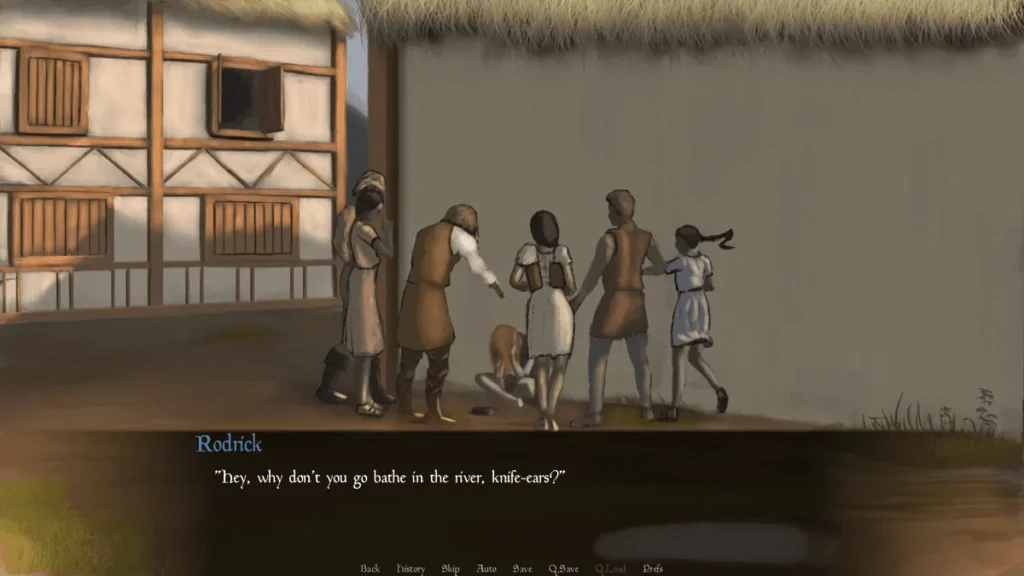
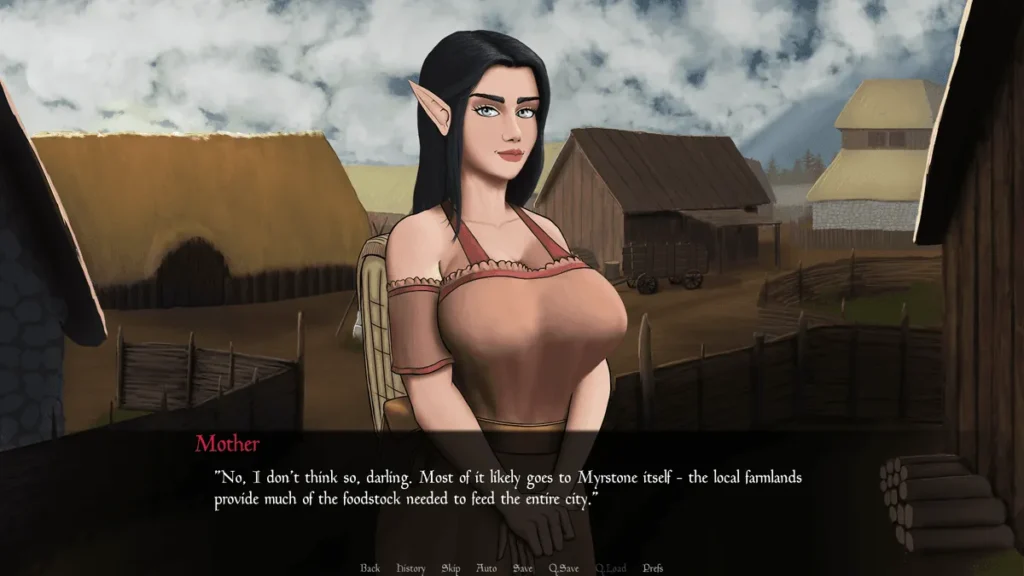
The Elvensang story doesn’t start with epic battles or grand prophecies. It begins with something far more intimate and relatable: the search for home. You are an elf, but you’ve never known the fabled, majestic elf forests. Instead, you were raised in the harsh, human-dominated port city of Worlaix by your fiercely protective mother, Anasteya. Your pointed ears are a mark of shame, a target for suspicion and cruelty in a world where humans see your kind as cursed bad luck.
This right here is the brilliant core of Elvensang low fantasy. It’s not about world-ending magic or ancient dragons; it’s a gritty, grounded tale of survival and identity. Your early days are a struggle for basic respect and a few silver coins, doing odd jobs on the docks while navigating the seedy underbelly of the city. The atmosphere is thick with the smell of salt, fish, and prejudice. You’re not a chosen one—you’re an outsider fighting for a place to belong.
I remember my first playthrough vividly. I approached it trying to be a “good” person, offering kindness where I could. The game’s response was a brutal lesson. A seemingly innocent act of mercy early on came back to haunt me, costing me a crucial opportunity and teaching me that in Worlaix, naive compassion can be a liability. 🥀 That moment hooked me. This wasn’t a story where choices were black and white; they were shades of gritty, difficult grey. This personal connection is what makes answering “What is Elvensang plot?” so rewarding—it’s your story of resilience.
Your character is a blank slate shaped entirely by your Elvensang morality choices. Will you cling to the noble ideals your mother instilled in you, or will you adopt the ruthless pragmatism needed to thrive? This foundational conflict defines everything that follows, from the friends you make to the enemies you earn, and sets the stage for a narrative of incredible depth.
Why Do Player Choices Shape Romance or Darkness?
This is where Elvensang truly shines. Every dialogue option, every decision—big or small—is a brick in the path you’re building. The game features a sophisticated system tracking your reputation with key factions, the depth of your relationships, and even your philosophical leanings. These invisible scores quietly determine who trusts you, what opportunities arise, and ultimately, which endings you unlock.
The most profound manifestation of this is the split between the Romantic Path and the Dark Path. This isn’t a simple “good vs. evil” toggle. It’s a gradual, organic divergence based on your core values. Seeking genuine connection, protecting the vulnerable, and striving for integrity will steer you toward tender, complex romantic storylines. Conversely, embracing cynicism, exploiting others, and prioritizing power at any cost will lead you down a path of malice and chilling depravity.
Here’s a practical tip: replayability is key. My second playthrough was a deliberate descent into that darkness, and it was a completely different game. Characters I loved before feared me. Story beats I cherished were replaced with shocking, grim alternatives. It’s a testament to the writing that both paths feel horrifyingly valid and compelling.
To help visualize this crucial crossroad, let’s break down the two primary narrative trajectories:
| Path | Description | Key Choices | Outcomes |
|---|---|---|---|
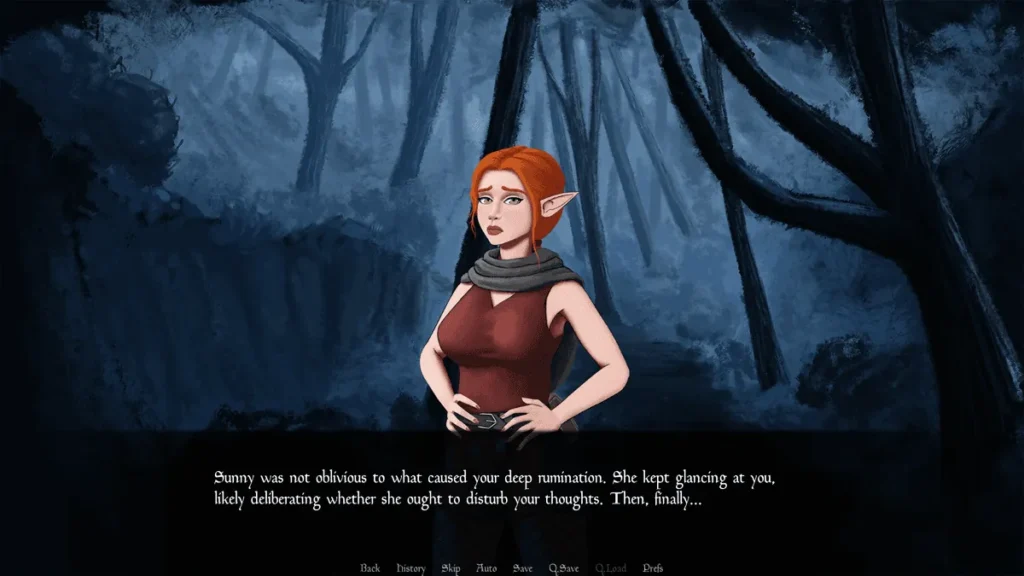
| Romantic Path 💖 | A journey defined by empathy, connection, and holding onto one’s principles in a corrupt world. Focuses on building deep, trusting bonds. | Showing mercy to rivals, helping NPCs without expectation of reward, choosing honest communication with love interests, siding with the oppressed. | Unlocks full romantic storylines with characters like Sunny, leads to alliances based on loyalty, and can result in hopeful, “lighter” endings where personal bonds are your strength. |
| Dark Path ⚔️ | A descent into pragmatism, manipulation, and embracing the ruthless laws of Worlaix to gain power and survive. | Extorting those in need, betraying allies for personal gain, using intimidation and cruelty as tools, viewing relationships as transactional. | Unlocks content centered on dominance and control, creates a network of fear-based alliances, and leads to endings where you seize power but are ultimately isolated. |
A crucial note for newcomers: the story is the priority. While the game includes mature content, it arrives late (starting in Episode 4) and is almost entirely optional, serving the narrative rather than dominating it. The sole exception is within the dedicated, “vanilla” romance route with Sunny, where it’s a natural part of that relationship’s development. This focus on plot over explicitness is a breath of fresh air and a big part of why the Elvensang story feels so mature and addictive.
What Medieval Fantasy Elements Set It Apart?
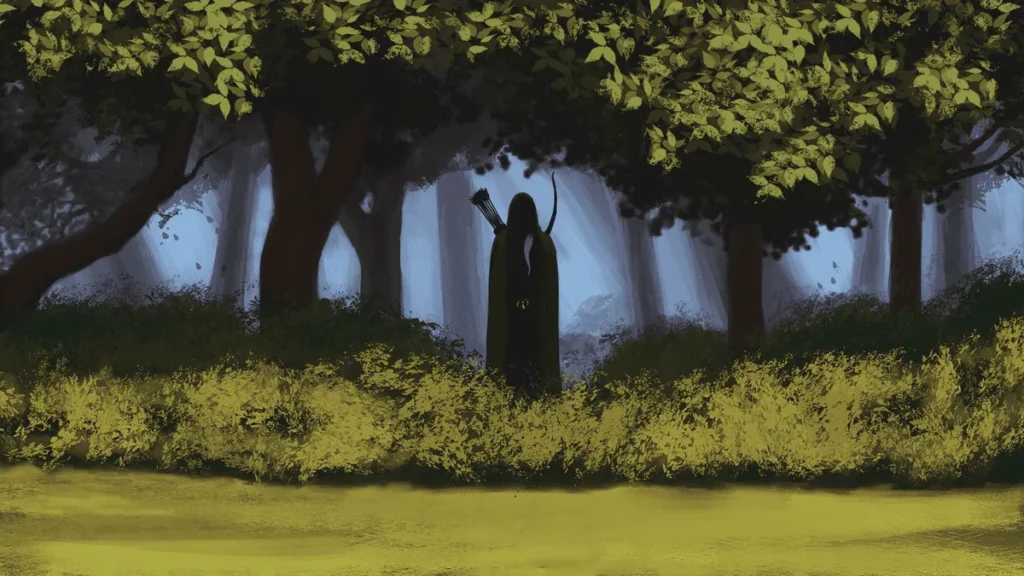
Forget glittering high fantasy castles and easy magic. The world of Worlaix Elvensang is early medieval low fantasy, and it commits to the bit with stunning authenticity. 🏰 This is a world of wooden fortifications, iron-forged tools, and deeply ingrained superstition. Magic exists, but it’s rare, feared, and often comes with a terrible cost. The supernatural is a subtle, eerie presence in the shadows—a whispered curse, an old sign to ward off “elf-eye,” a mysterious artifact of forgotten times.
This grounded setting makes every fantastical element feel earned and significant. Your elven heritage isn’t just a cosmetic trait; it’s the source of both subtle abilities and profound societal stigma. The humans aren’t generic villains; they’re products of a harsh world, their prejudice born from fear and a history you’ll slowly uncover. The Elvensang low fantasy approach creates a constant, simmering tension that’s far more engaging than any epic dragon battle.
The development of this world is ongoing and impressive. The latest Episode 5 update added a massive ~43,000 words of story, 45 unique artworks, new backgrounds, and a beautiful sprite rework for Sunny. This continuous expansion deepens the lore, introduces new factions to navigate, and makes each return to Worlaix feel fresh and layered.
So, why is this Elvensang visual novel so addictive for fantasy fans? Because it offers the one thing we crave most: meaningful agency in a richly realized world. You’re not just reading a great fantasy novel; you’re living it, molding it, and facing the consequences. The Elvensang morality choices matter on a scale that’s both personal and world-changing. The romance feels earned, the darkness feels terrifyingly plausible, and the gritty beauty of Worlaix stays with you.
My actionable advice? Play it once following your gut. Then, immediately replay it and make the opposite major choices. You’ll not only see hidden story layers but truly appreciate the masterful, branching narrative the team has crafted.
To wrap up, here are the key story features that make Elvensang an unmissable experience:
- Deeply Branching Narrative: Your choices fundamentally alter the plot, relationships, and endings.
- Faction Reputation System: Your standing with groups like the Dock Gang, City Guard, and Mystic Circle opens or closes entire story threads.
- Complex Character Relationships: Bonds evolve organically based on your actions, from deep love to bitter hatred.
- Philosophical Alignment: The game tracks if you lean toward Noble, Pragmatic, or Corrupt ideals, shaping how NPCs perceive you.
- Story-First Approach: Mature content is narrative-driven and largely optional, placing the compelling Elvensang plot front and center.
If you’re looking for a fantasy story that respects your intelligence, challenges your morals, and immerses you completely, your next obsession is waiting in the streets of Worlaix.
Elvensang stands out as a masterful blend of immersive storytelling, moral dilemmas, and fantasy romance that lingers long after you’ve closed the game. From the young elf’s humble beginnings with his mother to the branching paths of love or corruption, Worlaix crafted a world brimming with tension and choice. My own dives into multiple playthroughs revealed endless replay value, with characters like Sunny pulling at heartstrings amid the chaos. If you’re craving a visual novel where your decisions truly matter, grab Episode 5 and start shaping destinies today—your next favorite tale awaits.