Grandma’s House
Play Grandma’s House
Grandma’s House Screenshots






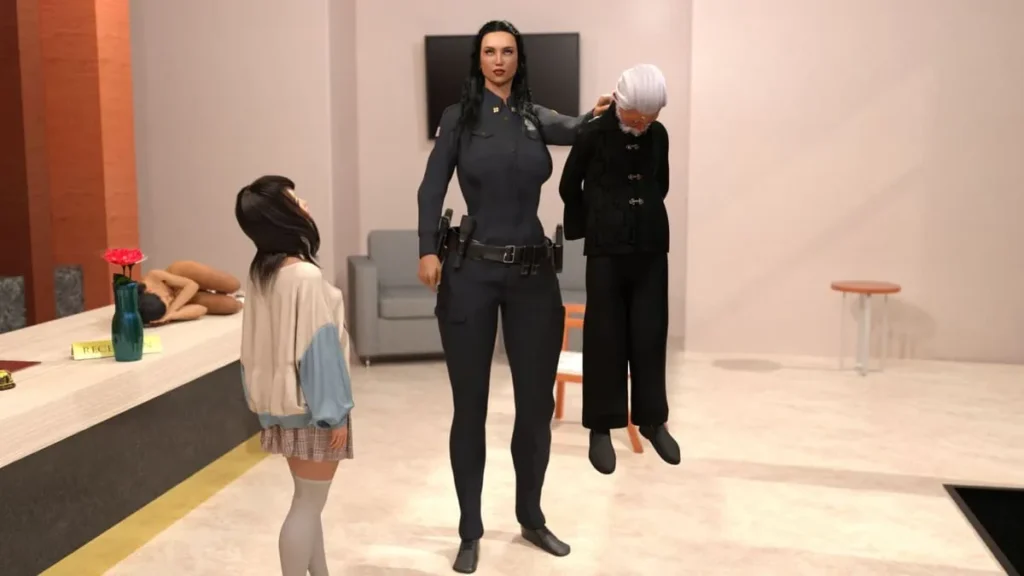






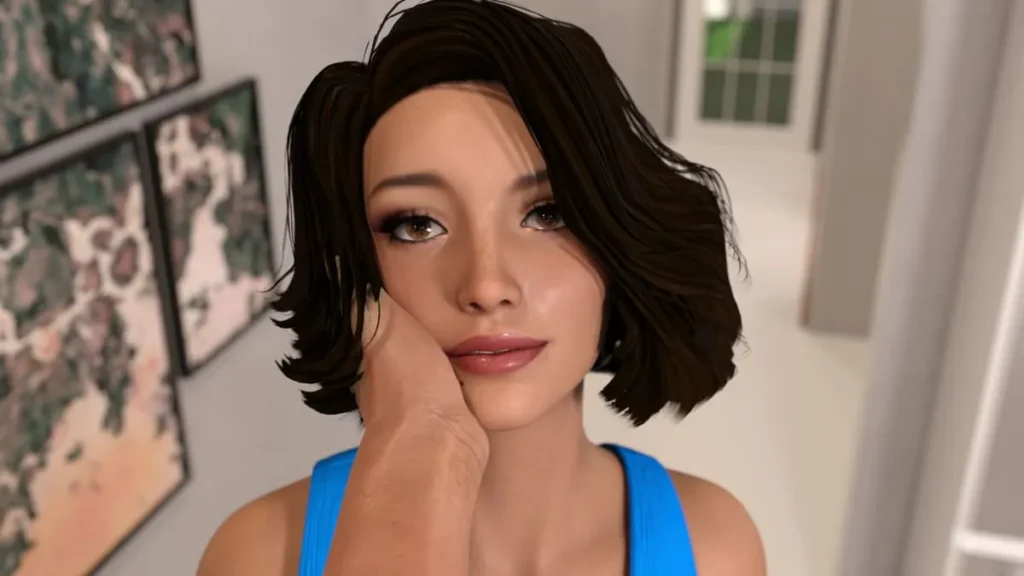
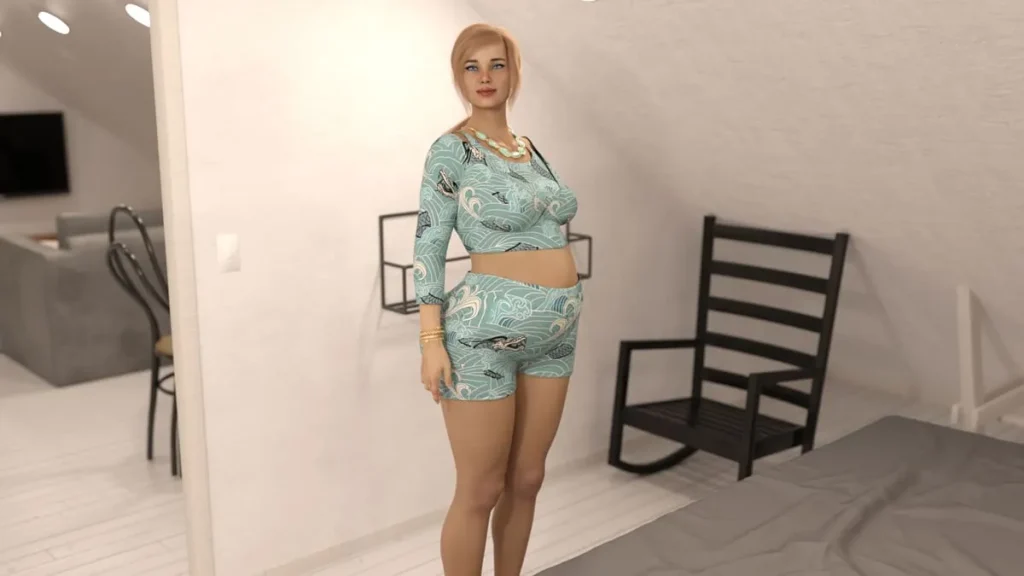


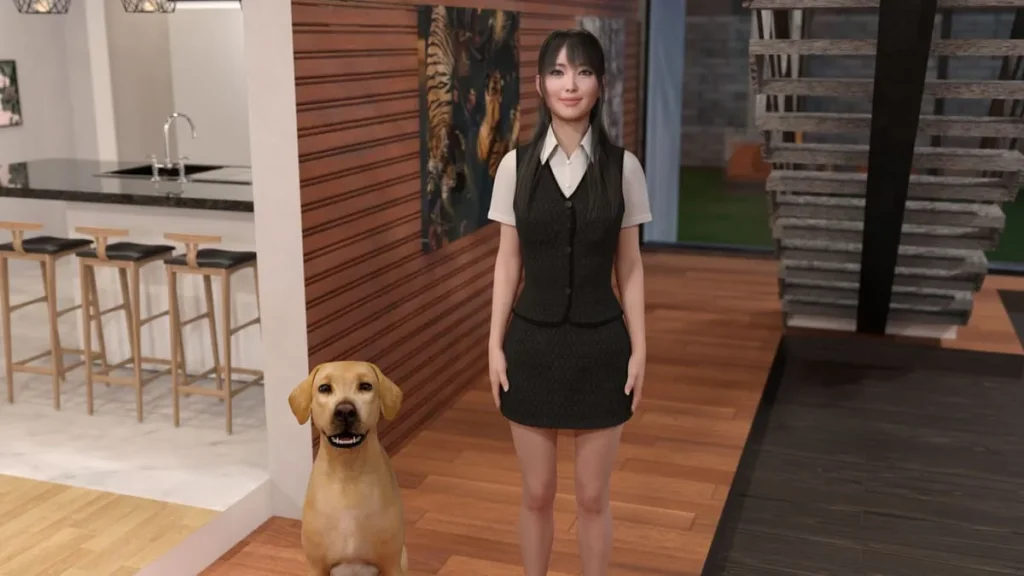



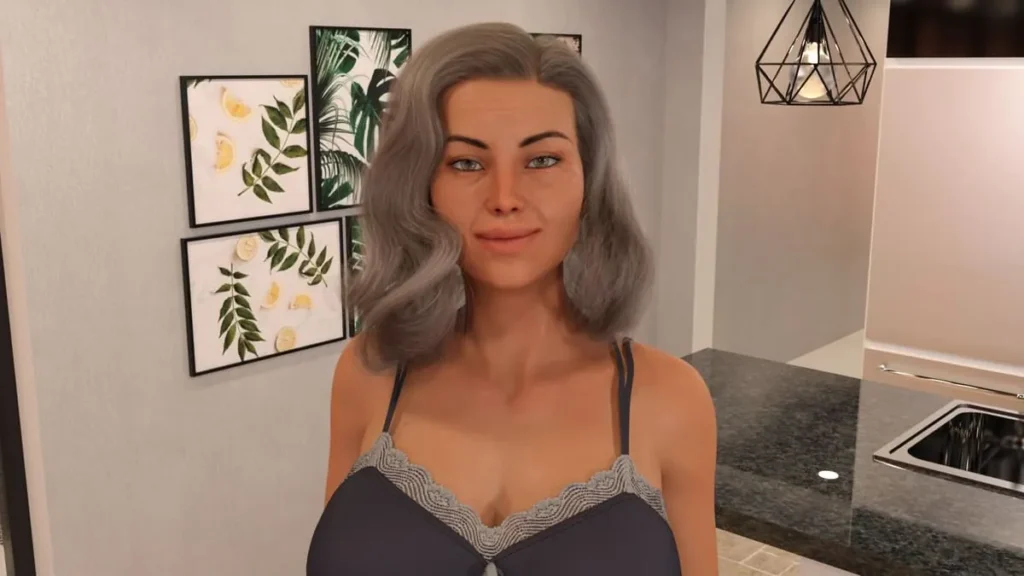



Grandma’s House review
Explore Gameplay, Characters, and Storylines of Grandma’s House
Grandma’s House is a narrative-driven adult game developed by MoonboxGames that blends immersive storytelling with interactive choices. This game stands out for its detailed character development and pacing, allowing players to explore complex relationships and multiple story paths. Whether you’re new or looking to deepen your experience, this guide covers everything you need to know about Grandma’s House, including gameplay tips, character insights, and how your decisions shape the story.
Gameplay Mechanics and Story Progression in Grandma’s House
Ever found yourself in a game where your choices feel like they’re just changing the color of a character’s shirt, not the actual world around you? 🙄 I know I have. That’s why diving into Grandma’s House gameplay felt so refreshing. This isn’t a game you blast through; it’s a delicate, thoughtful experience where every whispered conversation and every moment of silence holds weight. At its heart, the magic of this game is how it masterfully weaves Grandma’s House story choices into the very fabric of its being, making you the true author of a quiet, personal drama.
The core loop is deceptively simple: you explore, you talk, and you listen. But beneath that calm surface lies a complex web of cause and effect. Your journey through the house and the surrounding woods is guided entirely by your curiosity and your relationships. The Grandma’s House pacing is deliberately gentle, giving you the space to breathe, to think, and to let connections form naturally. Rushing is not only discouraged—it’s often counterproductive. This careful rhythm is what makes the moments of emotional payoff so incredibly powerful.
How Choices Impact the Narrative
In many games, a “big decision” is presented with fanfare and a dramatic pause. Grandma’s House takes a subtler, more sophisticated approach. Here, narrative branching Grandma’s House isn’t about picking “Good” or “Evil” from a dialog wheel. It’s embedded in everyday actions. Do you pick up the family photo and examine it closely? Do you ask Polly about the locked drawer, or do you respect her privacy? Do you follow Allie into the woods when she seems upset, or give her some space?
Each of these tiny actions is a Grandma’s House story choice. They send quiet ripples through the narrative pond, altering character dispositions, unlocking new conversational pathways, and eventually determining which of the game’s several heartfelt endings you will witness. The decision impact Grandma’s House is rarely immediate. You might make a choice in the first hour that doesn’t reveal its significance until much later, making replaying the game a fascinating exercise in seeing how different threads can be woven.
Tip: Get comfortable with silence. Some of the most meaningful Grandma’s House story choices aren’t about what you say, but about when you choose to listen instead.
To give you a clearer picture, here’s a breakdown of how seemingly small decisions can steer your story:
| Decision Point | Immediate Reaction | Long-Term Narrative Consequence |
|---|---|---|
| Asking Polly pointed questions about her past | She becomes slightly defensive and changes the subject. | May lock you out of her most vulnerable, trust-based confessions later, leading to a more distant ending. |
| Helping Allie with her gardening without being asked | She smiles and thanks you quietly. | Increases her willingness to share her own anxieties, potentially unlocking a deeper subplot about her future. |
| Choosing to explore the attic against a subtle warning | You find an old heirloom. | This item can become a key to resolving a central family tension or, if used poorly, can create a rift. |
| Insisting on discussing a topic a character clearly avoids | They comply but seem unhappy. | This can burn a bridge of trust permanently, closing off entire story branches and character arcs. |
Character Interaction Dynamics
If the story is the heart of Grandma’s House, then the characters are its soul. The character interaction Grandma’s House is built on a foundation of authenticity and nuance. These aren’t NPCs waiting to give you quests; they feel like real people with their own rhythms, secrets, and bad days. 🍃
Interacting with Polly or Allie isn’t just about exhausting dialog options. It’s about timing, observation, and empathy. The game employs a brilliant, unspoken Grandma’s House trust system. Trust isn’t a meter you fill by fetching items; it’s a fragile atmosphere you cultivate through consistent, respectful behavior. It’s earned by remembering small details they’ve shared, by offering help without expectation, and by sometimes knowing when to leave them alone.
Let me share an example from my first playthrough with Polly. Early on, she mentioned offhandedly that she didn’t sleep well. The game didn’t flag this as a “quest.” Later, I found an old, soothing herbal tea recipe in a cookbook. On a whim, I made it and left it for her in the kitchen without a big scene. The next day, her entire demeanor toward me was softer. She opened up about her worries without me even asking. That moment wasn’t scripted as a mandatory beat—it was a direct result of the character interaction Grandma’s House mechanics rewarding player attentiveness and kindness. This organic trust system is what makes relationships feel earned and real.
Pacing and Story Development
This is where Grandma’s House truly separates itself from the crowd. The Grandma’s House pacing is a masterclass in atmospheric storytelling. This game understands that tension and emotional depth don’t come from constant action, but from anticipation, quiet reflection, and the slow unveiling of layers. ⌛
The story develops not in cutscenes, but in the spaces between them. It’s in the way the afternoon light slants through the kitchen window as Polly shares a memory. It’s in the long, contemplative walks you take with Allie where not much is said, but everything is communicated. The game’s structure often follows the natural rhythm of a day at the house—mornings for light chores and conversation, afternoons for exploration, evenings for deeper, more personal talks.
This deliberate pace serves a crucial purpose: it prevents rushed scenarios and gives weight to every revelation. A secret revealed after hours of building rapport hits infinitely harder than one dumped in an exposition avalanche. The Grandma’s House gameplay uses this pacing to control the flow of information, ensuring you’re always emotionally invested in the next piece of the puzzle. You’re not racing to an ending; you’re savoring a journey, and the story development feels more personal because of it.
In the end, Grandma’s House presents a beautiful balance. It offers profound narrative branching through subtle story choices, all while grounding the experience in the slow, authentic build of human connection. The decision impact is profound because you feel responsible for the emotional world you’ve helped shape. It’s a game that trusts you to be thoughtful, and in return, gives you a story that feels uniquely, intimately yours. ✨
Grandma’s House offers a rich, choice-driven experience that rewards patience and thoughtful interaction. Its unique approach to pacing and character development creates a compelling narrative where every decision matters. Whether you’re exploring multiple storylines or building relationships, this game invites you to immerse yourself fully in its world. Dive in and discover the many paths Grandma’s House has to offer.