Hero Party Must Fall
Play Hero Party Must Fall
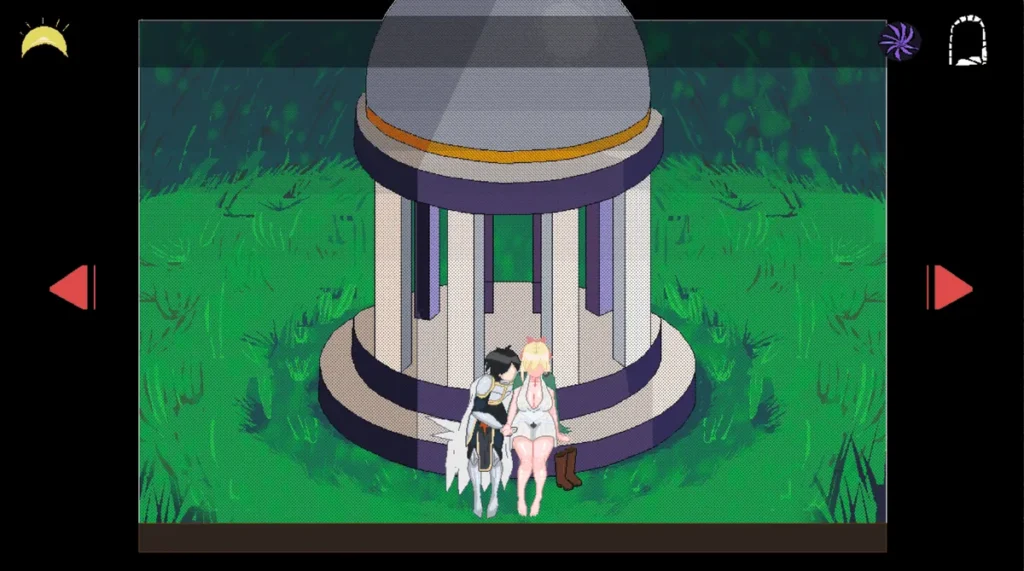
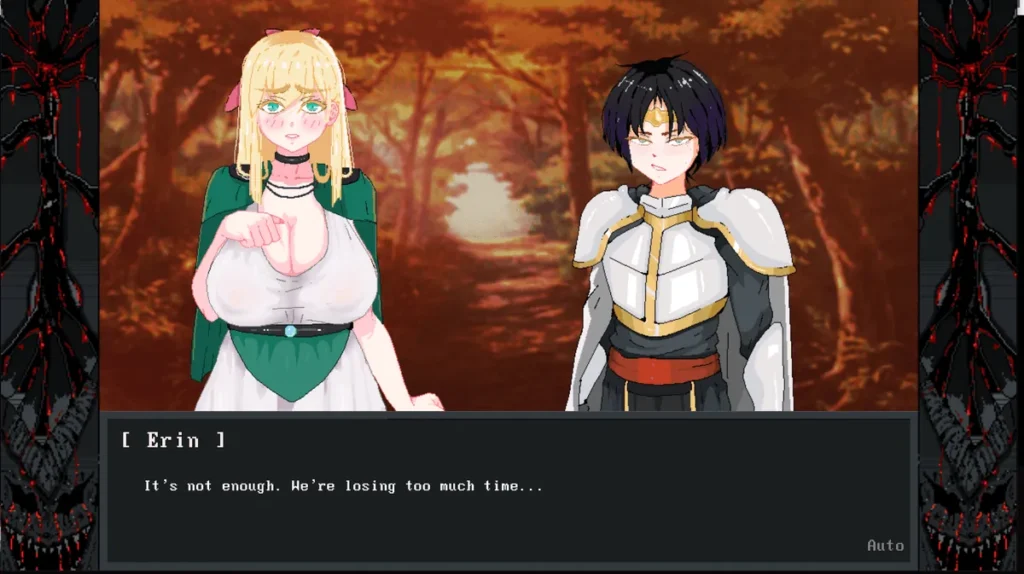
Hero Party Must Fall Screenshots
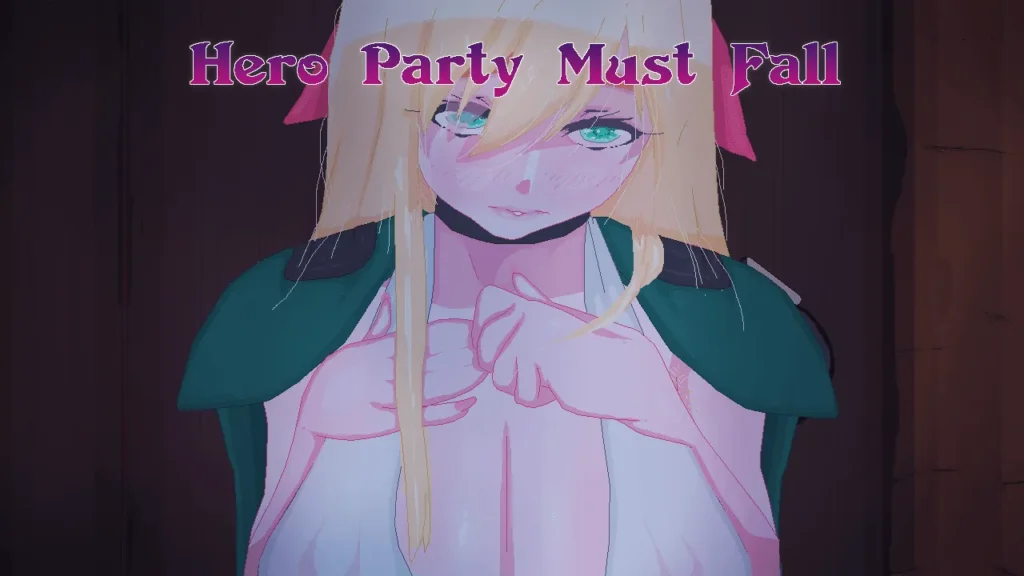
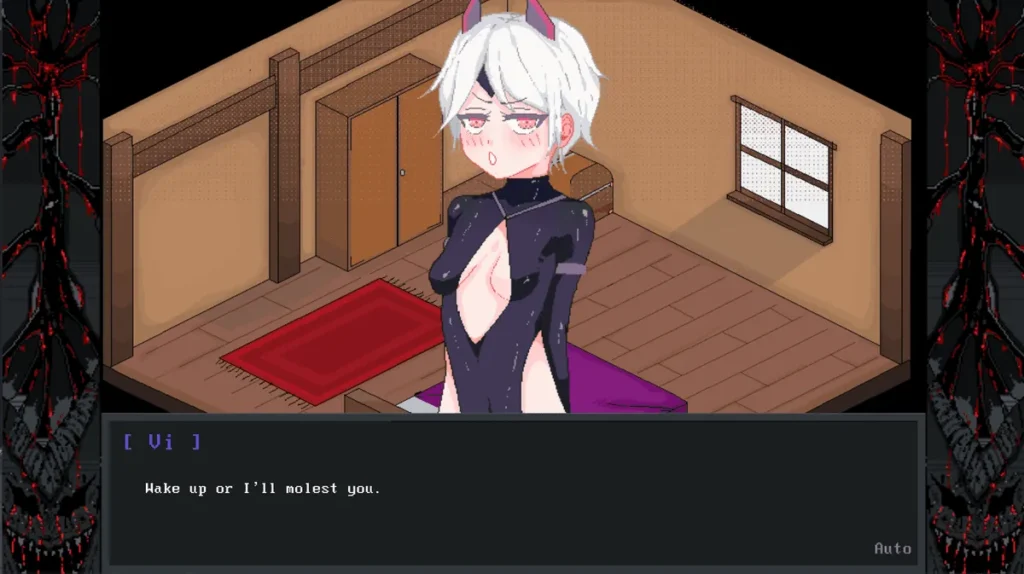
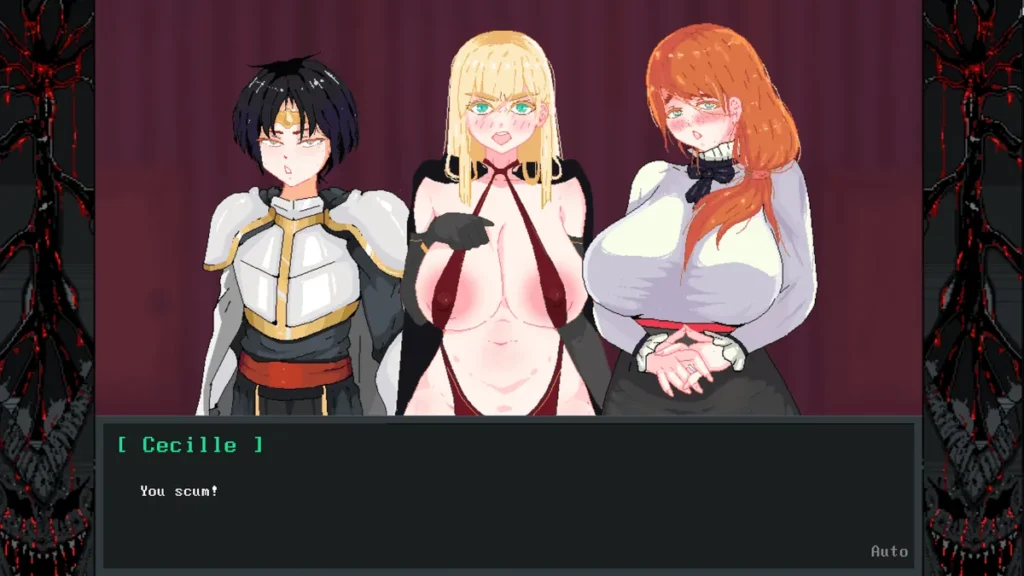
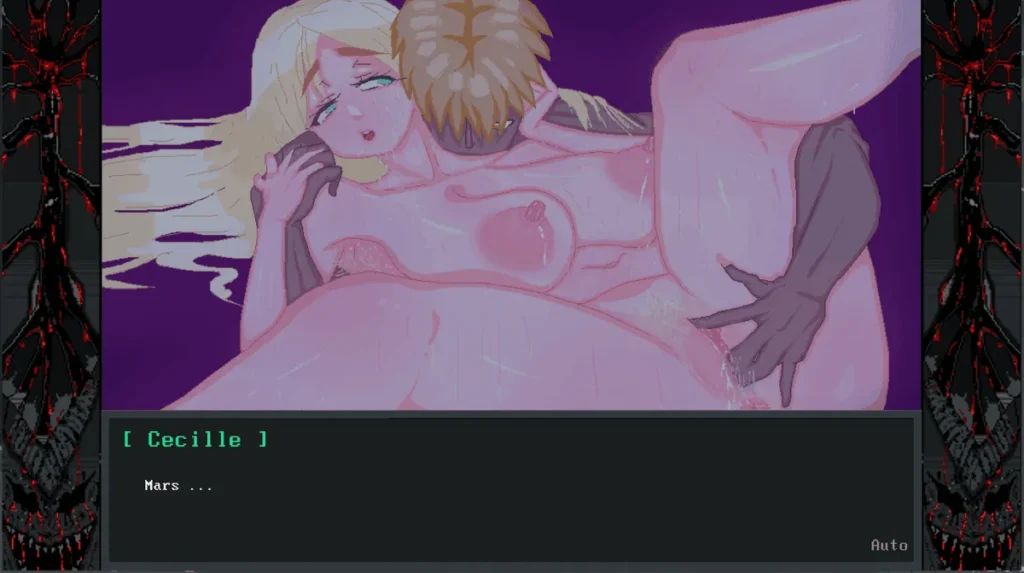
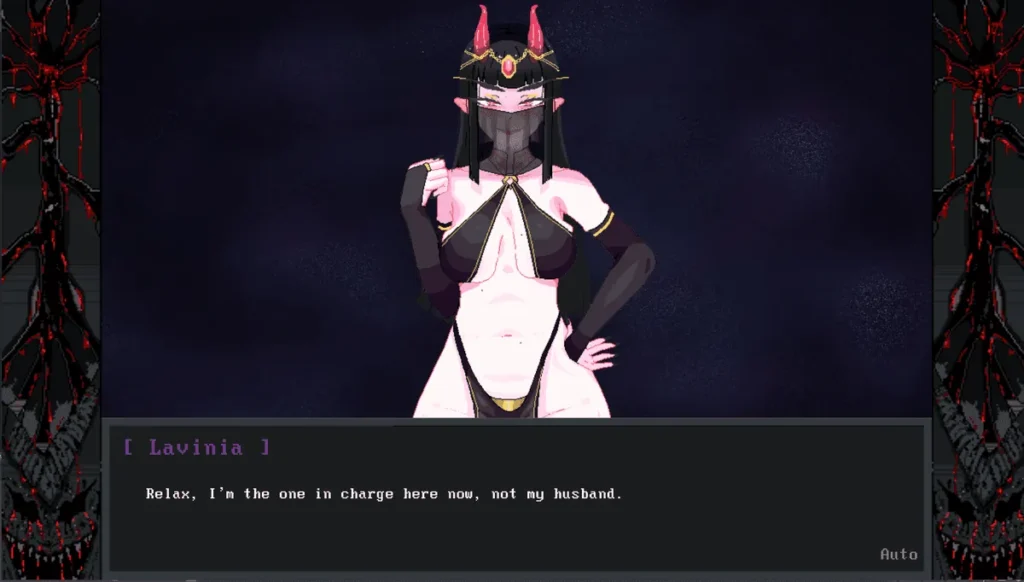
Hero Party Must Fall review
Master the strategy of sabotaging your allies in this unique indie visual novel
Hero Party Must Fall stands out as a distinctive indie visual novel that flips traditional fantasy narratives on their head. Instead of playing as a heroic adventurer, you take on the role of a spy infiltrating the hero’s party with a mission to sabotage them from within. This game combines strategic decision-making with character-driven storytelling, offering players a fresh perspective on party dynamics and moral ambiguity. Whether you’re interested in the narrative depth, gameplay mechanics, or character development, this guide explores everything you need to know about this compelling indie title.
Understanding Hero Party Must Fall: Gameplay Mechanics and Story
So, you’ve downloaded Hero Party Must Fall, intrigued by the promise of betrayal and spycraft. You load it up, expecting maybe a simple visual novel with some cheeky choices. What you get instead is a deceptively deep simulation of social sabotage and strategic resource management. 🎮 The core Hero Party Must Fall gameplay loop is a brilliant, stressful juggling act where every kind word is a potential weapon and every dungeon crawl a carefully orchestrated disaster waiting to happen.
This isn’t your typical fantasy romp. The Hero Party Must Fall story flips the script entirely. You are a deep-cover agent, a spy planted by the Demon King himself right into the heart of the legendary heroes destined to defeat him. Your mission isn’t to aid them; it’s to ensure they fail, by any means necessary. This foundational premise creates a delicious, constant tension that permeates every single interaction and system in the game. You’re always wearing a mask, and the fear of it slipping is what makes this indie game sabotage mechanics so compelling.
### What Makes This Game Unique: The Spy Narrative
Forget grand battles against dark lords; the real war here is one of whispers, doubts, and carefully planted failures. The visual novel spy mechanics are the soul of the experience. You’ll attend strategy meetings with a smile while secretly sabotaging the plan. You’ll console a teammate after a “unfortunate” mishap in the dungeon that you engineered. The game brilliantly makes you feel the paranoia of your role. Every dialogue choice is a dual-layer puzzle: what advances your relationships to maintain cover, and what subtly pushes someone toward ruin?
I remember my first major operation. The party was planning an assault on a demon outpost. My task from the Demon King was to ensure their scout, the sharp-eyed Sera, didn’t return with crucial intelligence. 🕵️♂️ I couldn’t just attack her—that would blow my cover. Instead, I used the game’s systems. I “accidentally” gave her faulty gear from the crafting menu before the mission. During the dungeon exploration strategy phase, I volunteered to watch the rear, subtly leaving her flank exposed. The system calculated the higher chance of an ambush, and it worked. She came back wounded and empty-handed, trusting me completely as I “heroically” dragged her to safety. The guilt was real, but so was the thrill of a perfect, undetected sabotage.
This narrative tension is supported by a world that reacts. Characters remember your actions and words. Fail a sabotage too blatantly, and suspicion rises. Succeed too well, and you might cripple the party’s capabilities, making future missions—and your own survival—harder. It’s a constant, thrilling balancing act that makes the Hero Party Must Fall story incredibly reactive and personal.
### Core Gameplay Systems and Strategic Elements
Beyond the dialogue lies a robust framework of interconnected systems that turn your spy fantasy into a tangible, strategic challenge. The Hero Party Must Fall gameplay is split into two primary phases: life at the castle and expeditions into dangerous dungeons.
At the castle, you manage your time and resources. This is where long-term plans are hatched. You have:
* Training & Crafting: You can train to improve your own combat stats (to stay alive and credible) or, more crucially, you can craft and modify equipment. Here’s where the sabotage begins. You can craft a sword that’s prone to breaking or armor with a hidden weakness, then gift it to an unsuspecting “ally.” 🛠️
* Information Gathering: Chatting with party members and exploring the castle can uncover secrets, weaknesses, and personal desires you can exploit later.
* Mission Planning: This is where you exert soft influence. You can advocate for riskier paths or for taking on missions for which certain members are ill-suited.
The dungeon crawl is where plans meet reality. The dungeon exploration strategy is turn-based and tactical. You control the party’s movement through a grid-based map, encountering events, treasures, and combat. Your strategic choices here are everything:
Pro Tip: Always volunteer to handle the party’s supplies or navigation. It gives you direct control over resource drain and the chance to “get lost,” leading the party into more dangerous areas or away from valuable loot.
Combat is straightforward but punishing. Character placement, skill use, and equipment durability all matter. A “misfired” spell that hits a teammate or a “tactical retreat” that leaves someone surrounded can have dire, permanent consequences. The game doesn’t pull punches: a failed dungeon run can lead to captured, maimed, or even dead party members, permanently altering the story and your pool of assets to manipulate. Loot collected is vital for crafting better gear—or better traps.
### Character Relationships and Affection Mechanics
You can’t destroy a team without understanding its members. This is where the character affection system shines, transforming from a typical romance metric into your primary espionage toolkit. Each party member has a trust/favor meter, but it’s not just about making numbers go up. It’s about understanding what makes them tick.
Building affection isn’t just for romantic subplots (though those exist and can be powerful tools for manipulation). It unlocks crucial gameplay advantages. Higher affection means a character is more likely to:
* Accept gifted equipment without suspicion.
* Believe your lies or misleading advice.
* Share their personal secrets and quests, which are golden opportunities for sabotage.
* Cover for your mistakes or defend you if others get suspicious.
This creates fascinating party dynamics visual novel tension. Pitting characters against each other by spreading rumors or favoring one over another can be more effective than direct action. Maybe you stoke Cecille’s knightly pride to make her charge recklessly into battle, or exploit Erin’s greed to lure her into a trap. The system forces you to be a true social manipulator.
Here’s a breakdown of the key agents in your web of deceit:
| Character | Role in Party | Key Personality Traits | Sabotage & Affection Strategy |
|---|---|---|---|
| Cecille | The Knight / Leader | Honorable, dutiful, burdened by leadership. | Appeal to her sense of responsibility to take on excessive risks. High affection makes her a powerful shield against suspicion from others. |
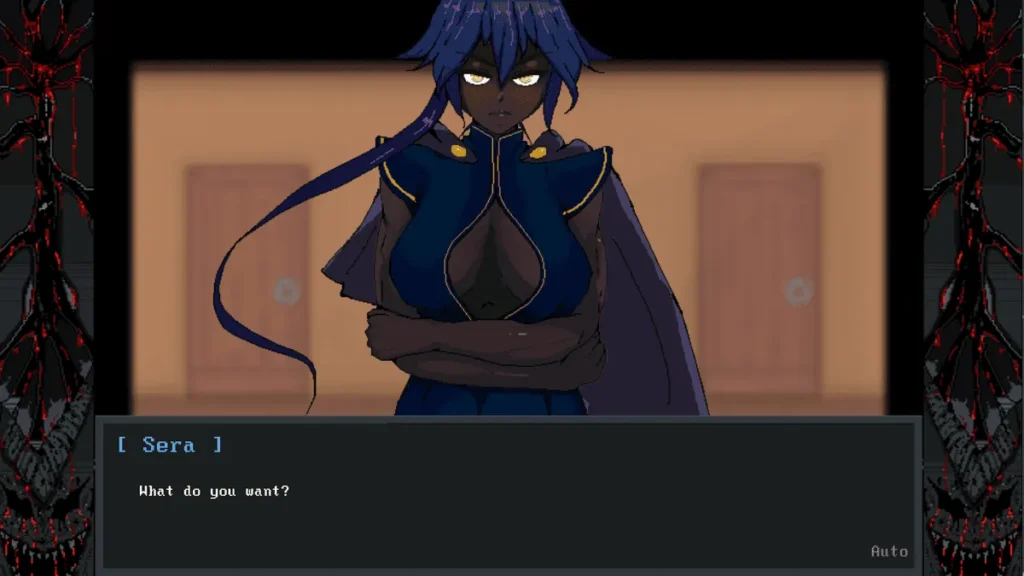
| Sera | The Scout / Archer | Perceptive, independent, slightly cynical. | Hardest to fool. Build affection through supporting her independence. Sabotage by isolating her or misdirecting her keen senses. |
| Erin | The Mage | Ambitious, knowledge-hungry, arrogant. | Feed her ego and thirst for power. “Accidentally” share dangerous magical lore. Her ambition makes her a potential pawn against others. |
| The Queen | Patron & Authority | Regal, strategic, distant but observant. | A different kind of challenge. Influencing her affects kingdom resources and mission assignments. Requires very careful, political maneuvering. |
Mastering these party dynamics visual novel elements is essential. The character affection system is your lever to move the world. Do you befriend everyone to maximize your influence, or play favorites to create discord? Every choice ripples through the narrative.
The game, currently in version 0.5.6 and available on Itch.io, DLsite, and Steam as an ongoing project, already delivers a shockingly complete and complex experience. It seamlessly blends its visual novel spy mechanics with tangible, strategic gameplay. The mature themes—betrayal, manipulation, and the consequences of your actions—are handled with a surprising amount of weight, making your choices feel significant. With multiple branching paths determined by who lives, who dies, who trusts you, and how you’ve shaped the party’s fate, Hero Party Must Fall offers a masterclass in narrative-driven strategy. Your mission, should you choose to accept it, is to be the most terrible friend imaginable—and it’s utterly captivating. 👑
### FAQ: Common Questions About Game Progression & Technical Points
Q: I’m stuck! How do I progress the main story?
A: Story progression is often gated behind completing specific dungeon missions assigned by the Queen or triggered by character affection events. Focus on raising affinity with key characters (Cecille often gates early story) and successfully completing (or sabotaging) the main dungeon objectives listed in your mission log.
Q: My game crashed/has a bug. What can I do?
A: As an early-access title (v0.5.6), occasional bugs can occur. First, ensure your game is updated. Developers are active on platforms like Itch.io and Patreon. Common fixes include saving often in different slots and checking community forums for specific workarounds. Reporting bugs with details is always appreciated by the devs!
Q: Are there console commands or debug modes?
A: The developers have not officially implemented a public console or debug menu. The best approach for managing your experience is through careful saving and leveraging the game’s own systems. Using multiple save files is highly recommended before major story decisions or dungeon runs.
Q: How impactful is character death?
A: Extremely. A dead character is permanently removed from the game, shutting down their entire storyline, quests, and potential uses in your schemes. The narrative will adapt around their absence. This permanence is a core part of the game’s tension and replay value.
Q: What’s the best early-game sabotage strategy?
A: Start small and deniable. Focus on crafting slightly inferior gear and “generously” gifting it. During dungeon runs, minor misdirections or “accidental” aggro of extra enemies are great. Building initial trust is crucial before attempting major, plot-altering sabotages.
Hero Party Must Fall delivers a refreshing take on the visual novel genre by placing players in the morally complex role of an infiltrator rather than a hero. The game’s combination of strategic gameplay, meaningful character relationships, and branching narrative paths creates an engaging experience that rewards player choice and experimentation. With its ongoing development and regular content updates, the game continues to expand its story and mechanics. Whether you’re drawn to the intricate character dynamics, the strategic depth of party sabotage, or the compelling narrative of deception and loyalty, Hero Party Must Fall offers a unique gaming experience that challenges traditional fantasy storytelling conventions. As the game evolves, new content and features promise to deepen the experience further.