
Karlsson’s Gambit
Play Karlsson’s Gambit
Karlsson’s Gambit Screenshots

















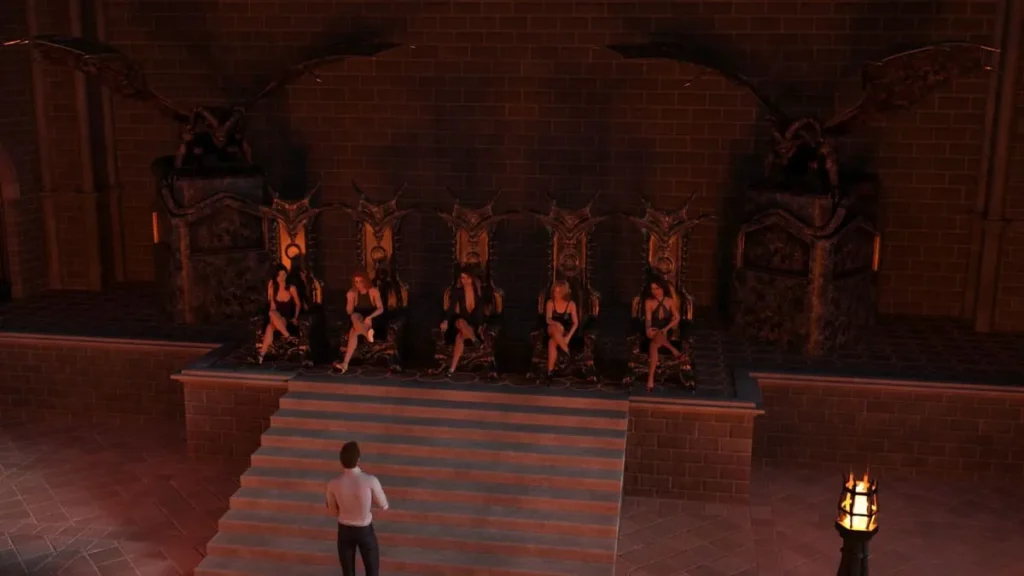








Karlsson’s Gambit review
Master the strategic gameplay, characters, and storyline of this complex narrative experience
Karlsson’s Gambit stands as an intricate narrative-driven experience that combines strategic decision-making with character-driven storytelling. This game unfolds across multiple phases and locations, featuring a complex cast of characters navigating through interconnected plot threads. Whether you’re new to the game or looking to deepen your understanding of its mechanics and story progression, this guide provides essential insights into what makes Karlsson’s Gambit a unique gaming experience. From the initial setup through the endgame scenarios, understanding the game’s structure and character dynamics is crucial for full immersion.
Understanding Karlsson’s Gambit: Game Structure and Phases
Let me tell you about the first time I tried to play Karlsson’s Gambit blind. I thought, “How complex can a narrative game really be?” 🤔 Famous last words. Within an hour, my notes looked like a conspiracy theorist’s bulletin board, with strings connecting names, dates, and vague suspicions. I was lost in the best way possible. That’s when I realized that to truly master this experience, you don’t just play it—you need to understand its architecture. You need a map for its labyrinth.
This chapter is that map. We’re going to peel back the layers of Karlsson’s Gambit game structure to see what makes this ambitious narrative tick. By the end, you’ll see the elegant clockwork behind the chaos and understand how every conversation, every location, and every day on the calendar fits into Alexander Karlsson’s grand design. 🗺️♟️
What is Karlsson’s Gambit and How Does It Work?
At its heart, Karlsson’s Gambit is a high-stakes drama disguised as a game. You step into a world where the enigmatic billionaire Alexander Karlsson has initiated a mysterious “Gambit”—a complex social and strategic experiment involving his corporate empire, the Karlsson Group, and a carefully selected group of participants. Your role isn’t to control a single avatar running and jumping, but to navigate a web of relationships, information, and power.
The core gameplay loop is deceptively simple: you progress through time, make choices about who to meet and what to say, and watch the narrative branches unfold. But the devil is in the details. The entire experience is built on a narrative-driven gameplay mechanics system where your dialogue choices, alliances, and discoveries directly alter the story’s path. There is no “game over” screen in a traditional sense; instead, you live with the consequences of your strategic (or impulsive) decisions, leading to vastly different endings.
Think of it less like playing a video game and more like being a director of a tense political thriller where the actors have their own agency. You’re given the script pages one at a time, and your decisions determine which scenes get filmed, which characters become stars, and what the final cut looks like. The character interaction system is the engine of this whole machine. Every meeting is a transaction—sometimes of information, sometimes of influence, sometimes of something more intimate. Learning what each character values and fears is your primary tool for shaping the narrative.
The Multi-Phase Progression System 🚀
The genius of Karlsson’s Gambit is how it parcels out its story. You don’t just have one long narrative arc; you have a series of distinct, escalating chapters called Gambit Phases. This game phases progression is the backbone of the entire experience, carefully controlling the drip-feed of plot and introduction of new characters to keep you perpetually on your toes.
Each phase is named after a chess move, which is your first clue about the strategic decision making game you’re embroiled in. Alexander Karlsson is playing a very long, very personal game of chess, and everyone else—including you—is a piece on his board. The phases mark significant shifts in the power dynamics, location, and scope of the Gambit.
The timeline is also crucial to understanding the game structure. You’ll track your progress through:
* Game Days: The core unit of time you manage, deciding how to spend each day.
* Program Days: The in-universe timeline of the Gambit’s schedule, often creating urgency.
* Game Show Days: Key event days that serve as narrative crescendos and turning points.
To help you visualize this elegant, chess-themed progression, here’s a breakdown of the core Karlsson’s Gambit phases explained:
| Gambit Phase | Chess Theme & Meaning | Key Events & Shift | Major Characters Introduced |
|---|---|---|---|
| Phase 1 | Queen’s Pawn Game: The opening, establishing control of the center. | Initial recruitment into the Gambit. Introduction to the core premise and first allies/rivals. The game board is set. | Maya, Viktor, Anya |
| Phase 2 | King’s Reveal: The most powerful piece enters the fray. | Alexander Karlsson’s presence and true intentions begin to permeate the game. The stakes become personal. | Alexander Karlsson (indirectly), The Board Members |
| Phase 3 | Joker’s Game: An unpredictable, wild card move. | A major shift in location or rules. New variables are introduced that disrupt initial strategies. | Lena, The “Fixer” |
| Phase 4 | Knight’s Maneuver: An oblique, surprising attack. | Hidden alliances and betrayals come to light. The narrative takes unexpected turns away from the main conflict. | Security Chief Volkova, Insider Informants |
| Phase 5 | Bishop’s Diagonal: Long-range, indirect influence applied. | The consequences of early choices fully manifest. The scope expands to the wider corporate and political landscape. | External Corporate Figures, Media Contacts |
| Phase 6 & Beyond | Endgame: The final confrontation with limited pieces. | All threads converge. Final alliances are forged or broken. The ultimate fate of the Karlsson Group is decided. | All previous characters’ final roles are defined. |
This phased approach means the game constantly renews itself. Just when you think you’ve figured out the rules in Phase 2, Phase 3 (the Joker’s Game) throws a curveball that forces you to adapt. It’s a masterclass in sustained narrative tension and strategic escalation. 📈
Key Locations: From Joy Facility to Strategic Venues 🏝️🏢
Location is never just a backdrop in Karlsson’s Gambit; it’s a character in itself, influencing mood, available actions, and narrative possibilities. The game phases progression is often mirrored by a physical move from one key venue to another.
- The Joy Facility: This is where it all begins for many players, and Joy Facility gameplay forms the crucial foundation of your experience. It’s not a “joyful” place in the traditional sense, but a sleek, isolated, and heavily monitored complex where participants are first gathered. Gameplay here is about orientation, forming initial bonds, and navigating the controlled, almost clinical, environment under the watchful eye of the Karlsson Group. The confined space forces character interactions, making every meal in the commissary or meeting in a sterile lounge a potential source of intel or conflict.
- Island 4: Often the next major shift, Island 4 represents a change in tone. It might offer more freedom or different kinds of secrecy—think private villas, hidden coves, and secluded meeting spots. The gameplay here often involves more independent exploration and clandestine planning.
- Karlsson Group Headquarters: The beating heart of the corporate empire. Access to this location usually signals a shift into the deeper, more political layers of the Gambit. Interactions here are formal, high-stakes, and laced with corporate intrigue.
- Various “Safe Houses” & Meeting Points: Scattered throughout the game world, these minor locations are where the real deals are made. Choosing to meet a contact in a noisy public cafe versus a silent, private apartment can lead to completely different conversation outcomes, showcasing the depth of the character interaction system.
This journey from the introductory containment of the Joy Facility to the expansive, high-stakes corporate venues visually reinforces your progression from a pawn in a game to a potential player in your own right. 🌉
Mastering the Clockwork: Mechanics of Time and Choice
Understanding the game structure is one thing, but living within it is another. Let’s talk about the daily grind of genius. Your primary interface with the world is the calendar. Each Game Day presents you with a limited number of action points. Will you spend them to:
* Schedule a Meeting? This is your main tool. You choose who to see, and sometimes where to see them. A meeting with the cunning financier Viktor at a corporate bar will have a different flavor than one in a secured office.
* Review Intel? The information you gather doesn’t organize itself. Dedicating time to pore over files, audio logs, or financial records can unlock new dialogue options and reveal hidden connections.
* Pursue Personal Agendas? Sometimes, the best move isn’t about the main plot. Strengthening a personal relationship or investigating a side mystery can provide crucial leverage later.
The strategic decision making game aspect shines here. You can’t do everything. A choice to pursue a romantic subplot is a choice not to dig into a corporate scandal that phase. This scarcity forces you to role-play and prioritize based on your goals for that playthrough. Are you a loyalist aiming to secure the Karlsson Group’s future? A revolutionary seeking to burn it down? A pragmatist out for your own profit? Your daily schedule reflects that.
The narrative-driven gameplay mechanics ensure there are no meaningless choices. Skipping a meeting might cause a character to feel snubbed, closing off their route. Aggressively pressing for information in one encounter might make another character wary of you. The game remembers everything, creating a uniquely personal chain of cause and effect.
My biggest “aha!” moment was during my second playthrough. In the first, I was aggressive, treating every interaction like an interrogation. I burned bridges fast. The second time, I played the long game—listening more, offering small favors, building trust slowly. The same character interaction system that had shut me out before began opening doors I didn’t even know existed. It was a powerful lesson: in Karlsson’s Gambit, strategy isn’t about winning a battle; it’s about carefully tending a garden of relationships and watching what you choose to grow. 🌱✨
So, as you dive in, remember: you’re not just following a story. You’re learning the rules of a living, breathing world built on phases, places, and the profound power of your choices. Take your time, study the board, and think several moves ahead. After all, that’s what a true Gambit requires.
Karlsson’s Gambit delivers a sophisticated gaming experience that interweaves strategic decision-making with intricate character narratives. From understanding the multi-phase progression system to mastering character dynamics and strategic gameplay elements, this game rewards players who engage deeply with its complex systems. The interconnected nature of character relationships, information exchanges, and strategic choices creates a unique experience where your decisions genuinely shape the narrative outcome. Whether you’re drawn to the strategic chess-like elements, the character-driven storytelling, or the branching narrative paths, Karlsson’s Gambit offers substantial depth for players seeking a narrative-rich, choice-driven experience. Take time to explore different character interactions, understand the significance of each phase, and experiment with various strategic approaches to fully appreciate what this game has to offer.