Netorare Wife Misumi – Lustful Awakening
Play Netorare Wife Misumi – Lustful Awakening
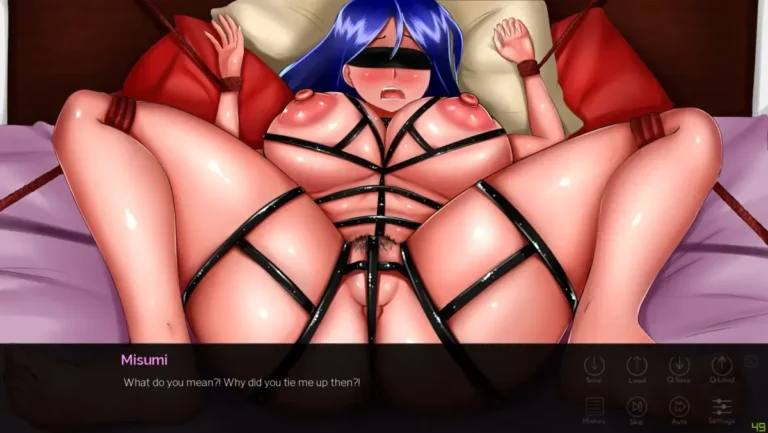
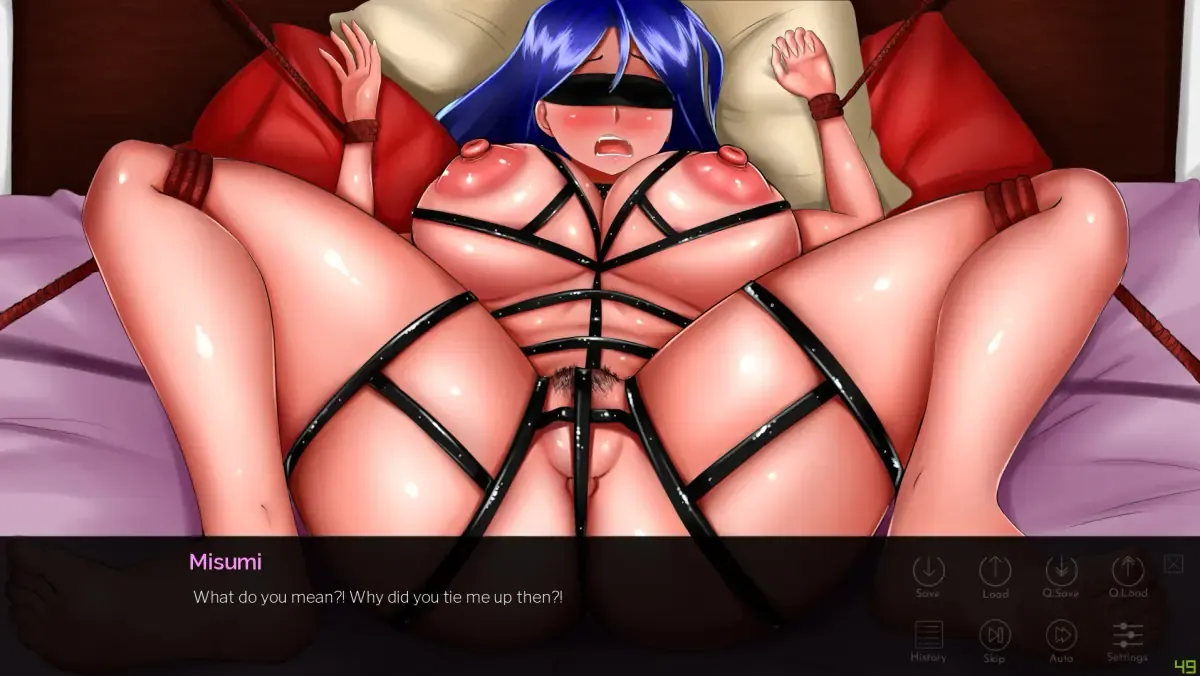
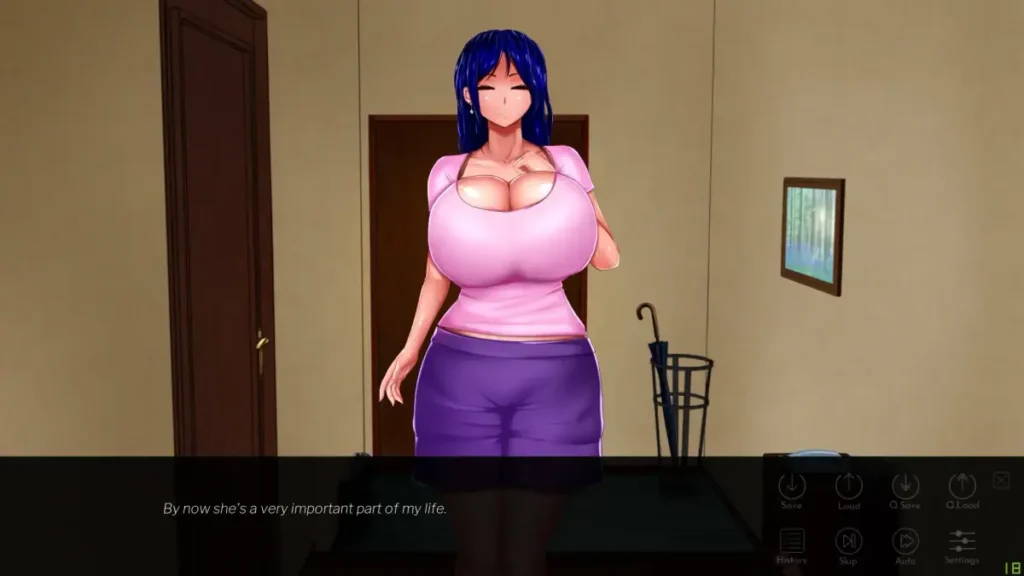
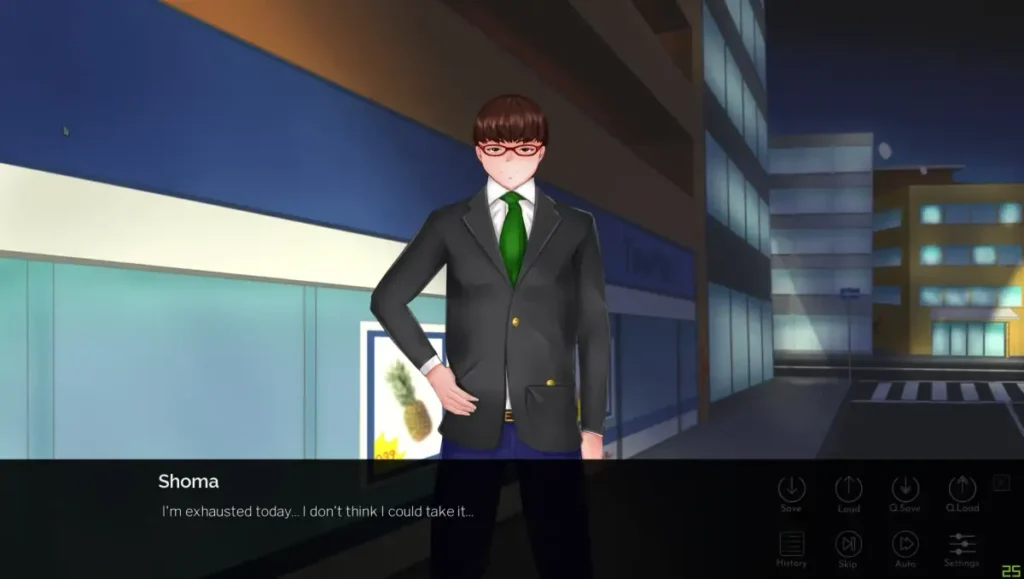
Netorare Wife Misumi – Lustful Awakening Screenshots







Netorare Wife Misumi – Lustful Awakening review
Explore the emotional narrative, character dynamics, and multiple endings in this choice-driven visual novel
Netorare Wife Misumi – Lustful Awakening is a captivating adult visual novel that immerses players in the complex emotional journey of newlyweds navigating desire, loyalty, and temptation. Developed by Stexxa, this choice-driven narrative experience follows Shoma and Misumi as their seemingly idyllic life takes an unexpected turn when a mysterious stranger enters their world. The game brilliantly uses domestic routines and psychological tension to create a slow-burn exploration of trust, identity transformation, and the fragile nature of commitment. With multiple endings and branching storylines, players face meaningful decisions that fundamentally shape the couple’s fate. Whether you’re interested in understanding the narrative depth, character development, or gameplay mechanics, this comprehensive guide covers everything you need to know about this provocative visual novel experience.
Story Overview and Character Dynamics in Netorare Wife Misumi
Ever started a game feeling all cozy, only to have the rug completely pulled out from under you? 😅 That’s the masterful, heart-wrenching experience at the core of Netorare Wife Misumi – Lustful Awakening. This isn’t just a story about events; it’s a deep, psychological exploration of relationships under strain. If you’re here, you’re likely looking to understand the Netorare Wife Misumi story plot beyond the surface, and how its brilliant character development visual novel techniques make every moment feel intensely personal.
Let’s pull up a chair, grab a virtual cup of coffee, and dive into the emotional world of Misumi and Shoma. I remember my first playthrough, settling in for what I thought was a sweet romance, only to find myself glued to the screen, my choices feeling heavier with every click. This guide will walk you through that journey, from the hopeful beginning to the complex web of endings, focusing on the emotional storytelling game mechanics that make it so compelling.
The Setup: A New Beginning Turns Complicated
The game opens with a breath of fresh air and the promise of a shared future. 🏡 Shoma and his wife, Misumi, have just moved into a charming new apartment, a symbol of their fresh start as newlyweds. The initial hours are deliberately warm and domestic. You’ll share in their routine: making breakfast together, Misumi seeing Shoma off to work with a kiss, and the quiet evenings spent planning their dreams.
This slice-of-life introduction is the game’s secret weapon. It’s not filler; it’s foundational. By immersing you in these tender, mundane moments, the game builds a powerful emotional investment. You’re not just observing a marriage; you’re participating in its best days. You see the inside jokes, the gentle affection, and the shared hope. This makes everything that follows hit so much harder. The Netorare Wife Misumi story plot is cleverly constructed, using this peaceful setup as the calm before a very nuanced storm. It establishes a “normal” so that even the smallest cracks later feel seismic.
I found myself genuinely smiling during these early scenes, decorating their digital home in my mind. It’s this very comfort that the narrative will later challenge, making the narrative tension adult game fans discuss so potent because you have a tangible memory of what’s at stake.
Meet the Central Characters and Their Motivations
The power of this character development visual novel lies in its small cast, each person meticulously crafted with layered motivations. You don’t just learn about them; you discover them through subtle actions and internal monologues.
-
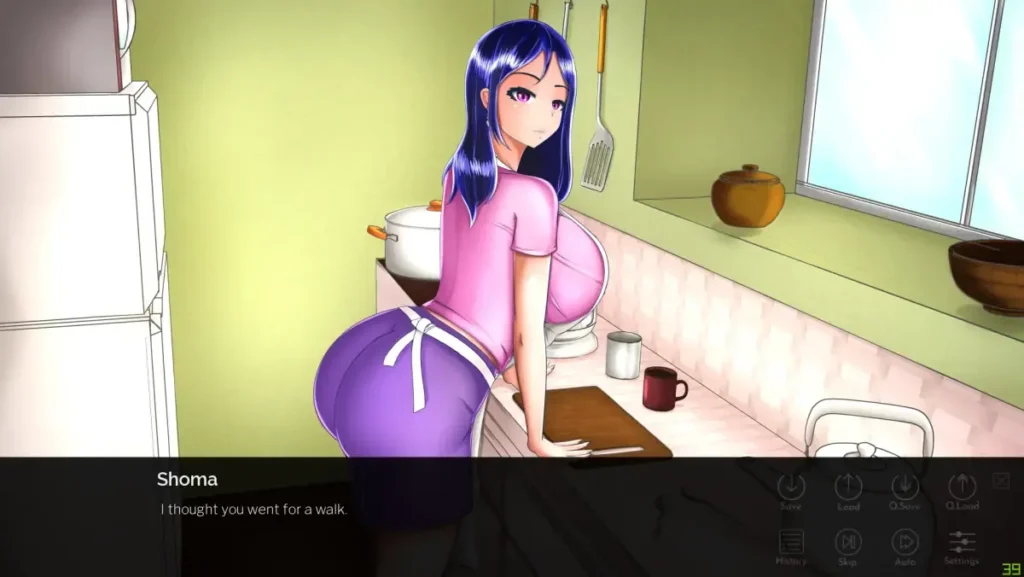
Shoma: Our point-of-view character for much of the early game. He’s a hardworking, loving, and genuinely trusting husband. His motivation is simple: to build a happy, secure life with Misumi. However, his dedication to work can sometimes border on complacency within the marriage—a quiet assumption that the love they have is static and unchanging. This isn’t a flaw of neglect, but one of comfortable belief, making his potential blindness later deeply tragic and understandable.
-
Misumi: To call her just a “devoted wife” is to miss the point entirely. 🦋 On the surface, she is the perfect partner: supportive, caring, and deeply in love with Shoma. But the genius of her visual novel character arc is in the quiet glimpses of something more. Perhaps it’s a fleeting, unreadable expression when she’s alone, a sigh not of sadness but of… contemplation, or a restless energy she doesn’t quite know how to channel. Her motivation is a complex search for identity and passion within the safe structure of her marriage. Is she truly content, or is she wondering what else life holds?
-
Chiyo: Misumi’s playful and somewhat mischievous cousin. She often serves as a catalyst, pushing boundaries with her bold personality. Chiyo represents external temptation and a different, more carefree approach to life and desire. Her interactions with Misumi are crucial, as they often plant seeds of thought or encourage small steps outside of comfort zones.
-
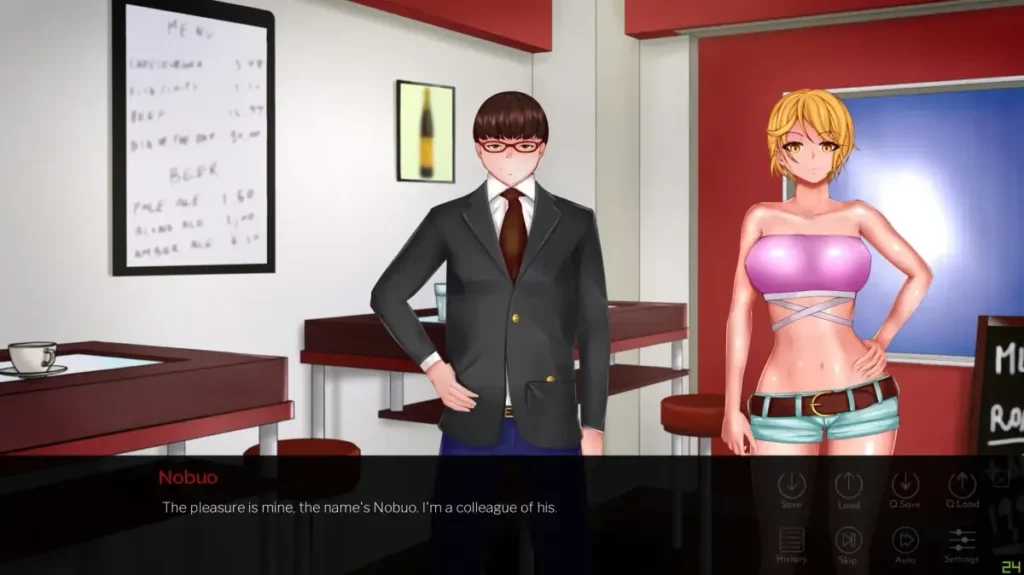
Isao: The mysterious new neighbor. He is the primary catalyst for change, introduced with an aura of quiet confidence and intrigue. His motives are initially unclear—is he a friendly face, a manipulative force, or something in between? His presence acts as a mirror, reflecting unspoken tensions and unmet needs within Shoma and Misumi’s relationship.
The game expertly drip-feeds these motivations. You might see Misumi pause while looking at an old, pre-marriage photo, or notice Shoma dismiss a small concern of hers because he’s “sure it’s nothing.” These tiny moments are the building blocks of the grand drama.
| Character | Role | Key Traits | Story Significance |
|---|---|---|---|
| Shoma | The Husband | Trusting, Hardworking, Occasionally Complacent | Represents stability and the perspective of unknowing trust; his arc is one of potential awakening or devastation. |
| Misumi | The Wife | Devoted, Restless, Emotionally Complex | The central figure of the drama; her internal conflict and choices drive the entire Netorare Wife Misumi story plot. |
| Chiyo | The Cousin / Catalyst | Playful, Bold, Uninhibited | Influences Misumi’s thoughts and actions, often pushing the narrative toward points of decision. |
| Isao | The Neighbor / Catalyst | Mysterious, Confident, Ambiguous | Acts as an external force that tests and exposes the hidden strains in the Misumi and Shoma relationship. |
How Narrative Tension Builds Throughout the Game
This is where Lustful Awakening truly shines as a masterpiece of narrative tension adult game design. The shift from cozy domesticity to psychological unease is not a sudden switch, but a slow, creeping frost. ❄️
The game employs several brilliant techniques:
1. The Power of Foreshadowing and Subtlety: Early on, you might witness an interaction that feels just slightly off. Isao offering to help Misumi with a heavy grocery bag, holding the door a moment too long, or a compliment that lingers in the air. From Shoma’s perspective, these are nothing. From the player’s omniscient view, they are alarm bells. The game also uses environmental storytelling—a changed item in the apartment, a different time Misumi returns home, a text message quickly hidden. These aren’t shouted; they are whispered, forcing you to lean in and pay agonizing attention.
2. Multiple Points of View: One of the most effective emotional storytelling game mechanics is the shift in perspective. While we start firmly with Shoma, the game gradually allows us scenes from Misumi’s point of view. This is devastatingly powerful. We see her internal struggle, her rationalizations, her moments of guilt, and her flashes of excitement. It creates a heartbreaking dramatic irony—we know more than Shoma does, and we feel the growing chasm between them from both sides. This method builds immense tension, as you’re screaming at the screen, invested in both characters whose paths are tragically diverging.
3. The Weight of Small Choices: This isn’t about choosing “good” or “bad” paths in a simplistic way. The choice-driven story outcomes are often subtle. Will Shoma confront Misumi about coming home late, or dismiss it as work stress? Will Misumi share a personal worry with Shoma, or keep it to herself? Early choices establish communication patterns. Later, they can determine trust levels. Each decision feels consequential because you’ve lived the relationship’s happy past. You’re not guiding a stranger; you’re steering a marriage you helped build.
A Specific Example: Recall an early, idyllic scene where Misumi makes Shoma’s favorite meal to celebrate a small work success. The scene is warm, full of smiling sprites and gentle music. Fast forward later in the story. Perhaps Misumi is cooking the same meal, but now she’s distracted, lost in thought about a conversation with Isao. Shoma notices she’s quiet but attributes it to tiredness. The same activity, now layered with unspoken tension and the player’s knowledge. This contrast is the engine of the game’s drama.
4. The Erosion of Trust and Intimacy: The tension isn’t just about external threats; it’s about internal decay. Scenes that were once intimate between Shoma and Misumi may now feel performed or distant. A kiss becomes mechanical. A conversation lacks eye contact. The game makes you feel the slow cooling of the Misumi and Shoma relationship in real-time, which is often more unsettling than any dramatic fight.
The culmination of this tension is what leads to the game’s famous multiple endings. Your journey through this emotional labyrinth determines whether the Misumi and Shoma relationship shatters, survives in a broken form, or undergoes a painful but genuine transformation. The choice-driven story outcomes are a direct reflection of how you, as the player, navigated this minefield of trust, communication, and desire.
Understanding this build-up is key to appreciating the complete visual novel character arcs. You see not just where Shoma and Misumi end up, but every fragile, delicate step that took them there. It’s a testament to the game’s writing that this narrative tension adult game can leave you reflecting on the nature of love, attention, and the quiet spaces that grow between two people long after you’ve closed the game.
Netorare Wife Misumi – Lustful Awakening stands out as a sophisticated adult visual novel that transcends typical genre conventions through its nuanced character development and meaningful narrative choices. The game’s strength lies in its ability to build emotional investment through intimate domestic scenes before introducing psychological tension and moral complexity. By presenting loyalty and desire not as opposing forces but as competing human needs, the narrative creates a thought-provoking experience that challenges players to consider the nature of commitment, identity, and personal growth within relationships. The multiple endings and branching storylines ensure that each playthrough offers a unique perspective on how different choices reshape the characters’ futures. Whether you’re drawn to the psychological depth, the character arcs, or the exploration of complex themes, this visual novel delivers a compelling experience that lingers long after the credits roll. For players seeking a mature, choice-driven narrative with genuine emotional stakes and artistic presentation, Netorare Wife Misumi – Lustful Awakening provides a memorable journey into the intricacies of human desire and commitment.