
Star Periphery
Play Star Periphery
Star Periphery Screenshots









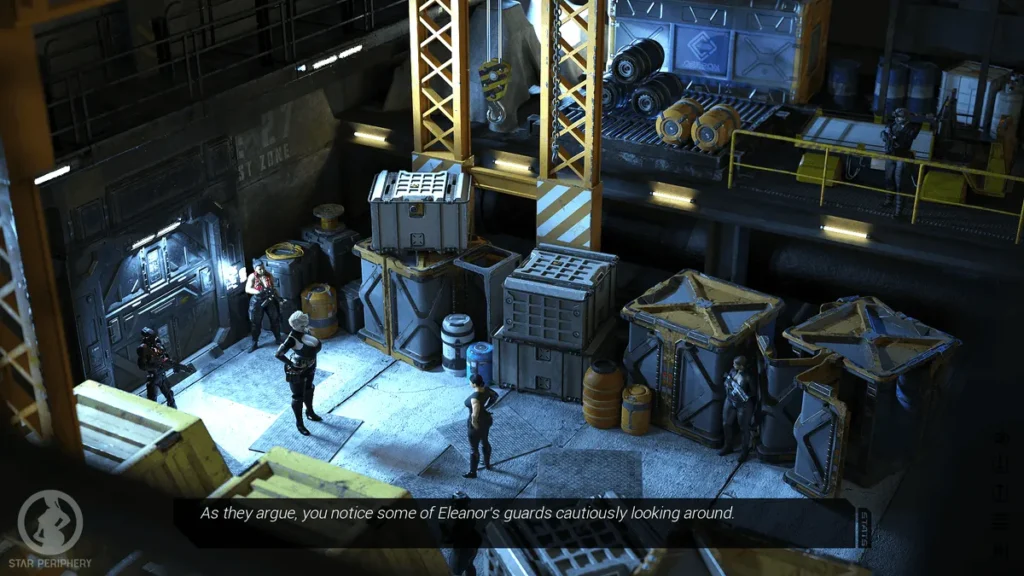
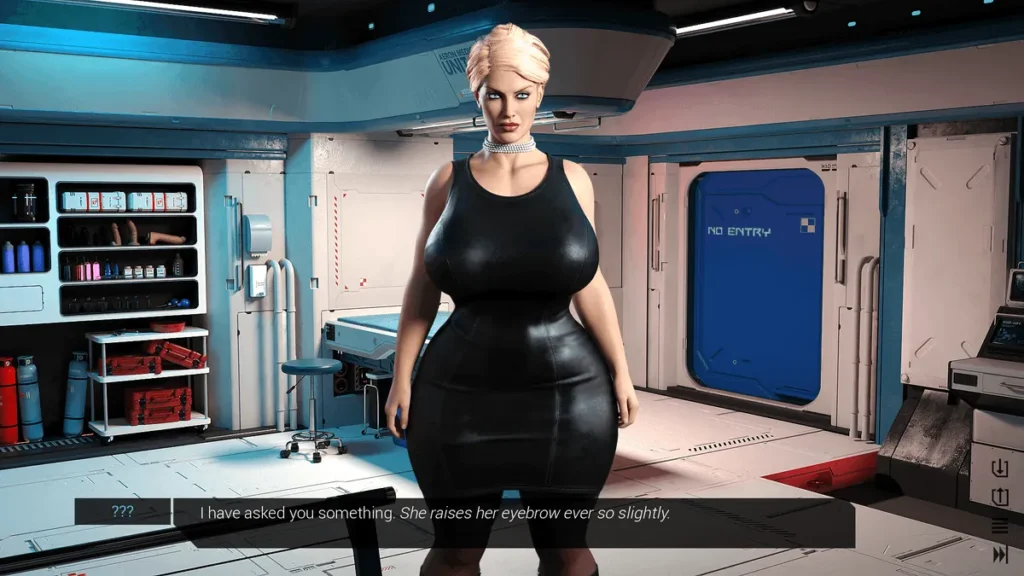

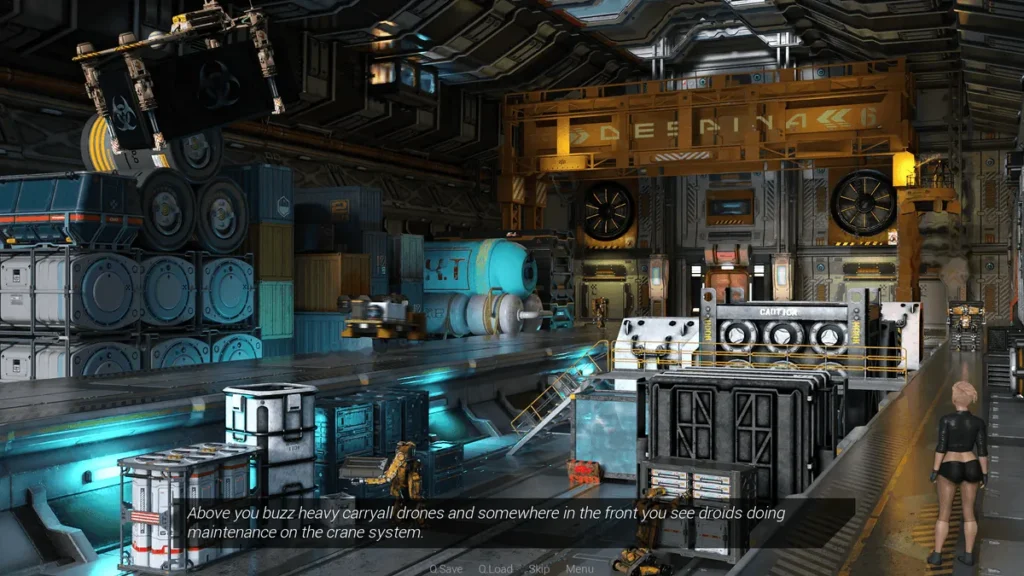
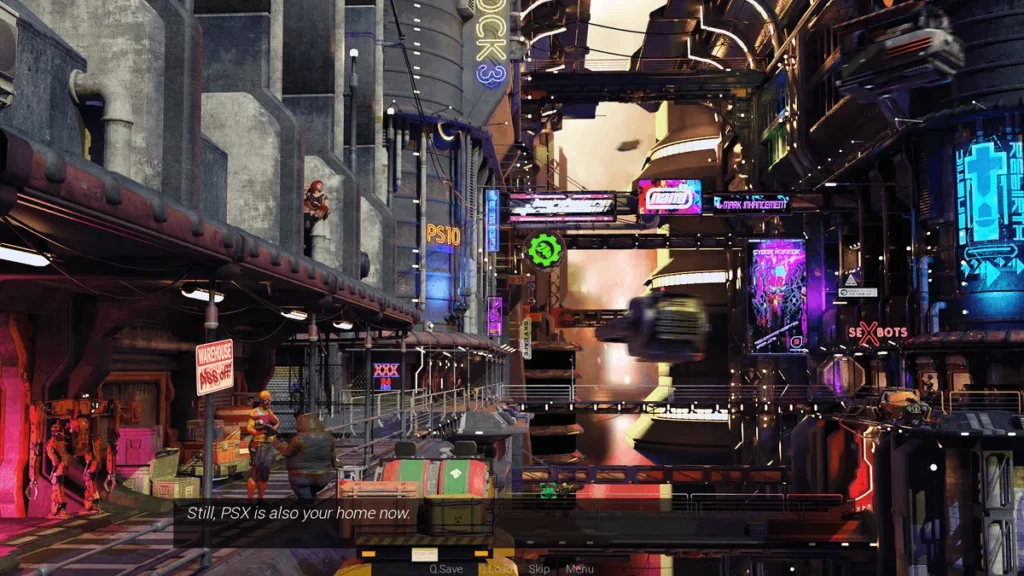
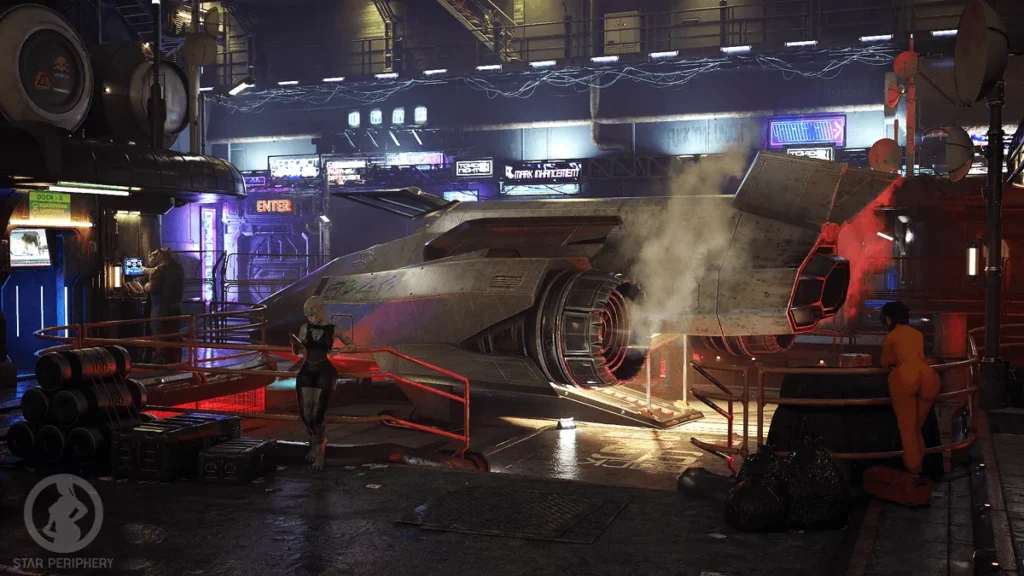
Star Periphery review
Explore the strategic depth and mature themes that define this space strategy experience
Star Periphery stands out in the space strategy landscape by redefining what mature gaming experiences can achieve. This game goes beyond simply adding adult themes to traditional space strategy—it weaves multi-layered command systems and sophisticated mechanics that appeal to players seeking depth and complexity. Whether you’re a seasoned strategy enthusiast or new to the genre, understanding Star Periphery’s core systems, gameplay mechanics, and strategic elements will help you maximize your experience. This guide covers everything you need to know about what makes Star Periphery a distinctive entry in modern strategy gaming.
Understanding Star Periphery’s Core Gameplay Systems
If you’ve ever felt like a grand admiral in a traditional space strategy game, only to realize you’re just painting by numbers with a fancy fleet, then you’re going to appreciate what Star Periphery brings to the table. This isn’t about building the biggest doomstack and rolling it across a map. Here, victory is a complex equation where logistics, diplomacy, and cold, hard calculation matter just as much as firepower. The Star Periphery gameplay mechanics are built from the ground up to challenge your notion of what a strategy game can be, weaving its mature strategy game design directly into the very systems you command. 🚀
Let’s peel back the hull plating and explore what truly powers this experience.
What Makes Star Periphery Different From Traditional Space Strategy Games
Many space strategy titles offer a power fantasy. You start small, tech up, crush your foes, and watch a victory screen roll. Star Periphery isn’t interested in that fairy tale. Instead, it presents a gritty, lived-in universe where every decision has weight and consequence, often lasting far longer than a single battle. The difference isn’t just aesthetic; it’s foundational.
The most striking shift is in its priorities. While traditional games might treat economics and supply lines as a simple background timer, in Star Periphery, they are the battlefield. I learned this the hard way during my first major campaign. I had assembled a formidable strike force to punish a rival faction for a border skirmish. My fleet was glorious, my tactics sound. What I hadn’t paid attention to was my autonomous logistics network. Mid-campaign, a critical supply route was severed by a pirate group I’d previously ignored. My fleet didn’t die in a blaze of glory; it starved, becoming a stranded, useless hulk of metal. The war was lost not to a superior enemy, but to my own logistical neglect. This is the essence of Star Periphery strategic depth.
This mature strategy game design extends to faction interactions. There are no purely “evil” empires or “good” federations here. Each major power has complex, often contradictory, internal drives. An alliance is not a simple checkbox; it’s a fragile understanding based on current needs, historical grievances, and potential future betrayals. A trade agreement with one faction might permanently sour relations with another, closing off entire branches of technology or resource access. Your reputation is a currency as valuable as any mineral, and it is constantly being evaluated by every entity you encounter.
Ultimately, the game respects your intelligence and agency. It doesn’t handhold you toward a “correct” path. It presents a systems-rich sandbox of cause and effect and says, “Navigate this.” This philosophy is what creates the unparalleled strategic depth veterans crave, while offering a brutally rewarding learning curve for newcomers wondering how to play Star Periphery.
Multi-Layered Command Systems Explained
At the heart of the Star Periphery gameplay mechanics are its sophisticated space strategy command systems. Think of it not as a single lever you pull, but as an interconnected control panel where each dial and switch influences the others. You are not micromanaging every welder on a freighter; you are setting policy, defining priorities, and trusting your established systems to execute—until they can’t, and you must intervene directly.
The command structure operates on three primary layers: Strategic, Operational, and Tactical. Each layer feeds into the others, creating a dynamic flow of command and challenge.
| Command Layer | Your Primary Role | Key Systems & Decisions |
|---|---|---|
| Strategic 🗺️ | Architect & Diplomat | Faction Diplomacy, Economic Policy, Research Direction, Colony Development, Long-Term Fleet Composition |
| Operational ⚙️ | Manager & Logistician | Fleet Deployment Orders, Supply Route Management, Automated Trade, Infrastructure Projects, Intelligence Operations |
| Tactical ⚔️ | Commander & Tactician | Direct Fleet Control in Battle, Crisis Response, Critical System Overrides, Boarding Actions, Special Operation Execution |
The beauty of these space strategy command systems is their interdependence. Your Strategic decision to pioneer a new mining colony (Layer 1) creates the need for you to secure and patrol its supply routes on the Operational layer (Layer 2). If those patrols encounter a serious threat, you might need to drop to the Tactical layer (Layer 3) to command the ensuing battle personally. This isn’t a hierarchy you climb up and down linearly; you are constantly context-switching between them based on priority.
A key feature that brings this to life is the Priority Assignment System. Instead of manually telling every ship what to do, you assign priorities to your fleets and stations. You can set a fleet’s priority to “Patrol Sector,” “Defend Colony,” or “Raid Enemy Logistics.” The fleet’s AI will then autonomously execute that mission within its assigned region, responding to threats and opportunities based on its programmed behavior. This allows you to manage a sprawling empire without succumbing to apathy, as you must constantly adjust these priorities in response to a changing galaxy. It’s the core of learning how to play Star Periphery efficiently—mastering delegation to focus on the big picture.
To understand how these layers function together, let’s break down the core gameplay systems you’ll be managing:
- Autonomous Logistics & Economics: 🚛 This isn’t just a “++ credits per minute” counter. You establish trade lanes, design freighters, and protect them. Markets fluctuate based on scarcity, conflicts, and your own actions. Cutting off a faction’s access to a key resource can be more effective than any fleet action.
- Fleet Doctrine & Design: ⚓ You design ship classes (scout, frigate, cruiser, etc.) and then set a Fleet Doctrine. This doctrine dictates how a fleet composed of these ships will behave in combat—aggressive flanking, defensive holding, long-range bombardment. You command the doctrine, not every individual ship’s weapon fire.
- Diplomatic Pressure Systems: 🤝 Diplomacy is active. You can apply economic sanctions, fund insurgencies, demand tribute, or form secret pacts. Each action builds or burns “Leverage,” a resource used to force diplomatic resolutions without firing a shot.
- Clandestine Operations: 🕵️♂️ Beyond the fleet, you can direct spy networks to sow discord, steal technology, or sabotage infrastructure. A well-placed bomb in a key refinery can cripple an enemy’s war effort before they even know they’re at war.
This Star Periphery game mechanics guide emphasizes systems because the game is about managing interconnected parts. Your empire is a machine, and these are the control systems.
Strategic Depth and Player Agency in Star Periphery
This is where everything comes together. The strategic depth in Star Periphery doesn’t come from a thousand techs to research or a map with a million stars. It emerges from the friction between your grand plans and the uncompromising, systemic reality of the game world. Your agency is total, but it is not unlimited. The game presents you with hard choices where every benefit has a tangible cost.
Let me illustrate with a real gameplay scenario. Early in a playthrough, I discovered a rich, unclaimed asteroid belt perfect for solving my chronic fuel shortages. The Strategic decision was obvious: claim it and build a refinery.
- Operational Consequence: Building the refinery required diverting construction ships from a key shipyard project, delaying my fleet modernization by several months.
- Diplomatic Consequence: The belt was in a nebulous zone claimed by two minor factions. Claiming it angered both, pushing them into a defensive pact against me.
- Logistical Consequence: Securing the long supply line back to my core worlds meant stretching my patrol fleets thin, creating a vulnerability in another sector.
My simple strategic goal created a cascade of operational, diplomatic, and logistical problems. This is the Star Periphery strategic depth in action. I couldn’t just “solve” the patrol issue by building more ships—that would have further strained my economy. Instead, I had to get creative on the Operational layer. I hired a mercenary company for short-term security, used diplomatic pressure to bribe one of the minor factions into abandoning their claim, and rerouted civilian trade through a safer, albeit slower, path. I solved a tactical-level problem (security) with a combination of economic, diplomatic, and logistical solutions.
This is the balance the game masters: player agency within a systemic framework. The game never says “you can’t do that.” It says, “you can do that, but here is what it will require, and here are the consequences.” Your success is determined by how well you anticipate and manage those chains of cause and effect. The mature strategy game design is evident in how it refuses to shield you from the results of your miscalculations or overreach. A failed colonization attempt might leave you with a debt-ridden ghost town and a refugee crisis. A betrayed ally can become a vengeful nemesis, hunting your trade lanes for years.
The space strategy game features that facilitate this are all geared toward meaningful choice. Technology trees aren’t linear upgrades but divergent paths that lock you out of others, forcing you to specialize. Ship design is a constant trade-off between armor, speed, firepower, and cost. Even victory conditions are customizable—you can aim for economic hegemony, scientific supremacy, or pure military conquest, and the game’s systems will challenge that path appropriately.
In the end, Star Periphery is a game that trusts you to find your own way through a galaxy that is indifferent to your survival. Its gameplay mechanics are the tools and obstacles on that journey. By mastering the multi-layered command systems, embracing the mature themes of consequence and compromise, and thinking three steps ahead, you don’t just win a game—you author a complex, personal saga of rise, fall, and resilience among the stars. Your command chair awaits, Admiral. The periphery is calling. 🌌
Star Periphery represents a thoughtful evolution in space strategy gaming, where mature themes and sophisticated mechanics work together to create a distinctive experience. The game’s multi-layered command systems provide genuine strategic depth that rewards careful planning and tactical thinking. By understanding these core systems—from resource management to faction dynamics—players can fully appreciate what makes Star Periphery stand apart from traditional strategy offerings. Whether you’re drawn to the complex mechanics, the mature storytelling approach, or the strategic challenges, Star Periphery offers substantial gameplay depth for players willing to engage with its systems. Start with the fundamentals, experiment with different strategic approaches, and discover the unique experience that makes this space strategy game worth your time.