Tales of Unity
Play Tales of Unity
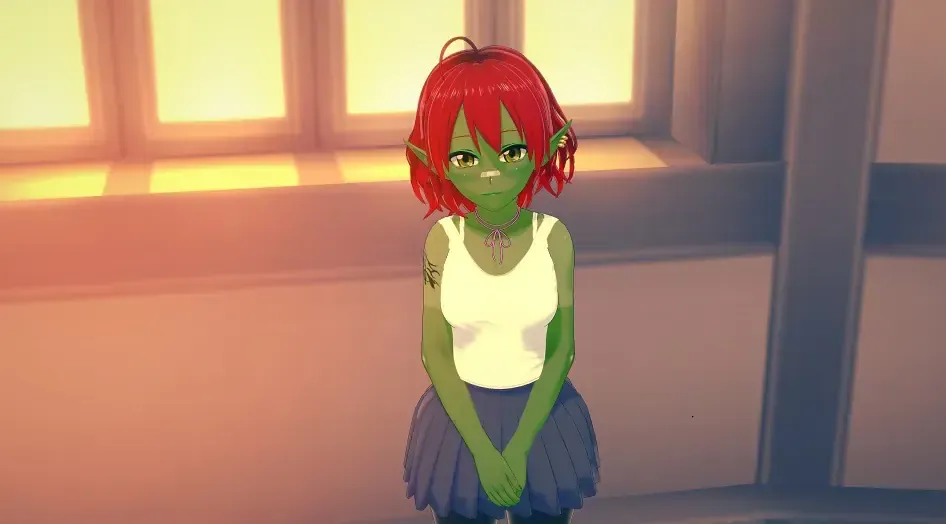
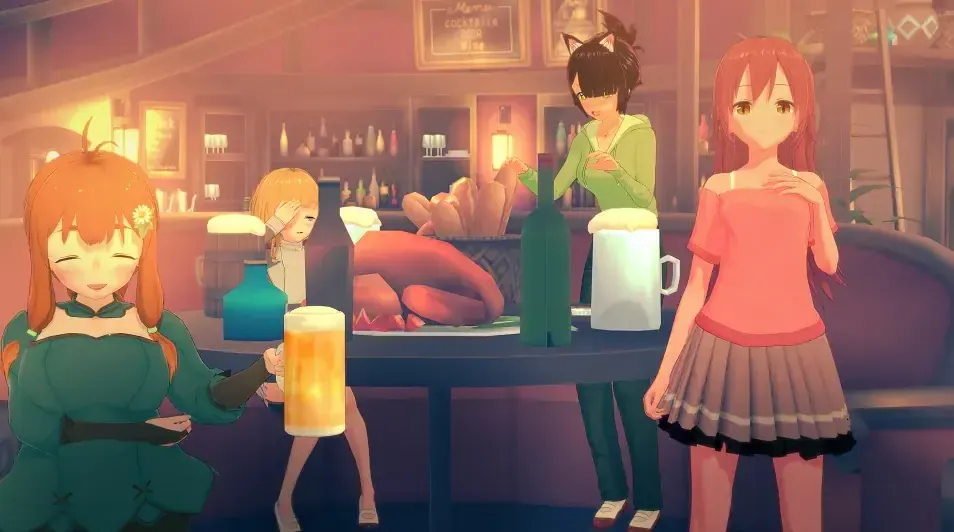
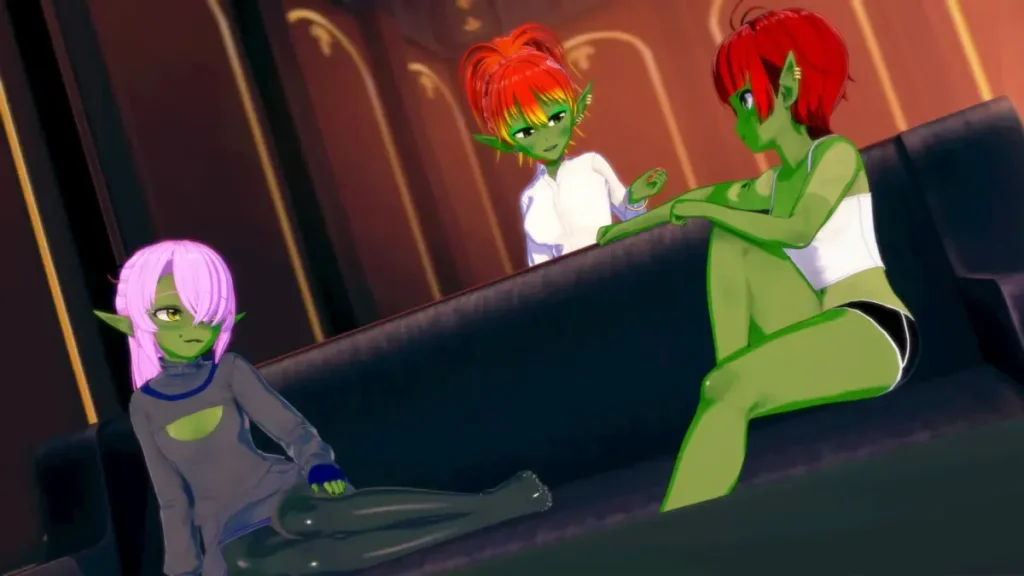
Tales of Unity Screenshots

Tales of Unity review
Exploring storytelling excellence in interactive entertainment
Tales of Unity has garnered significant attention within the gaming community for its exceptional approach to interactive storytelling. This adventure title demonstrates how modern games can deliver compelling narratives that rival traditional media. Whether you’re curious about the game’s plot, character development, or what sets it apart from other titles in its category, this guide explores the key elements that make Tales of Unity a masterpiece of narrative design. Discover what players are saying about its story-driven experience and why it has become a benchmark for quality storytelling in interactive entertainment.
The Narrative Excellence of Tales of Unity
Let’s be honest: we’ve all played a game where we skipped the cutscenes. 🎮 The story felt like an obligation, a flimsy excuse to get us from one shootout or puzzle to the next. We connect with games on a mechanical level, but often, their narratives leave us cold. What if a game could make you care as deeply as your favorite book or film? What if your choices didn’t just change the ending, but fundamentally altered the emotional journey?
This is the promise and the profound achievement of Tales of Unity. It isn’t just a game you play; it’s an experience you live, a story you help breathe into being. In a landscape filled with explosive set pieces, it stands as a towering example of what narrative-driven adventure games can achieve when storytelling is the core, not an accessory. It demonstrates that the most powerful hardware in gaming isn’t a graphics card, but the human heart, and it’s engineered to engage yours fully. ❤️
What Makes the Story Compelling?
At its heart, the Tales of Unity story is a deceptively simple fable about division and reconciliation. You follow two protagonists from warring factions, forced together by circumstance on a journey across a beautifully broken world. But this familiar framework is a masterclass in execution. The magic isn’t in the “what,” but the “how.”
The game’s plot is a meticulously woven tapestry where every thread matters. Instead of a linear march, the story unfolds through a series of interconnected vignettes—moments of quiet campfire conversations, tense diplomatic standoffs, and heartbreaking discoveries in abandoned ruins. This structure keeps you constantly engaged, not with cliffhangers, but with deepening intrigue and emotional payoff. You’re not chasing a macguffin; you’re uncovering the fractured history of a world and understanding how its people, including your characters, are products of that trauma.
“I finished Tales of Unity a week ago, and I still can’t stop thinking about the characters. I didn’t just watch their story; I felt responsible for it. That final choice wasn’t about picking a ‘good’ or ‘bad’ ending—it was about deciding what my version of healing looked like. No other game has ever made me pause the controller just to process my own feelings.” – A player testimonial shared on the game’s subreddit.
This player’s experience highlights the core strength of the Tales of Unity story. It resonates because it trades epic-scale bombast for intimate, human-scale drama. The stakes are the fate of a world, yes, but they are expressed through the strain in a voice, the hesitation before a handshake, and the weight of a long-held grudge. It proves that the most compelling interactive storytelling games are those that trust their audience with complexity and silence.
So, what are the key ingredients in this narrative recipe? Here are the elements that make it unforgettable:
- Emotional Authenticity: Every story beat feels earned. Joy, sorrow, and anger stem from character motivations you understand, not plot necessity.
- Thematic Depth: It explores weighty ideas—the cost of peace, the burden of history, and the definition of forgiveness—without ever feeling like a lecture.
- Pacing Mastery: It expertly balances moments of high tension with periods of quiet reflection, allowing you to absorb the emotional impact.
- Environmental Storytelling: The world itself is a narrator. Crumbling statues, overgrown battlefields, and repurposed relics tell a story of past glory and failure without a single line of dialogue.
- Player Agency in the Journey: While major plot points are fixed, how you reach them—the tone, the relationships, the minor resolutions—is profoundly shaped by you.
To understand its innovative structure, let’s look at how it compares to more traditional narratives in the genre.
| Traditional Adventure Game Narrative | Tales of Unity’s Narrative Approach |
|---|---|
| Linear, point A to B story progression. | A branching, thematic web where story beats explore character psyche and world history. |
| Character development often occurs in cutscenes separate from play. | Development is integrated into exploration, dialogue choices, and moment-to-moment interaction. |
| Player choices often lead to clearly defined “moral” endings. | Choices lead to nuanced emotional conclusions, focusing on resolution over simple “good vs. evil.” |
| World-building delivered through logs, codexes, or exposition dumps. | World-building is environmental and experiential, discovered through context and character perspective. |
This approach is what defines the best story-based adventure titles. It respects your intelligence and your capacity for empathy, building a narrative that is both grand in scope and piercingly personal in detail. ✨
Character Development and Player Connection
If the world of Tales of Unity is the stage, then its characters are the award-winning actors whose performances you’ll never forget. This is where the game shifts from great to legendary. Character development in games is often a checklist: unlock a backstory cutscene, gain a new ability, repeat. Here, it is an organic, continuous process that you directly influence.
Take the dual protagonists. You don’t just play as both; you play in the space between them. One might be a pragmatic soldier, weary of conflict but bound by duty. The other could be an idealistic scholar, scarred by loss but clinging to hope. The genius of the Tales of Unity gameplay is that their growth is mirrored in your actions. A dialogue option isn’t just about gathering information; it’s about one character cautiously offering a sliver of trust, and you deciding if the other will accept it.
I remember a specific, quiet moment early on. After a tense escape, the characters are forced to share a cramped, safe space for the night. The gameplay here is simple: you can choose who to control as they settle in. I chose the soldier, Elara. The prompt appeared to simply “Check the perimeter.” But what followed wasn’t a routine animation. She walked a slow circle, her eyes lingering on her sleeping companion, Kaelen, the scholar. The camera stayed close on her face, and I saw the hard lines of her suspicion soften, just for a second, into something resembling protective concern. No words were spoken. No quest updated. But in that pure, interactive moment, a wall began to crumble. That’s character development in games at its most powerful—shown, not told, and facilitated by the player. 🎭
This connection is forged through brilliant writing and a revolutionary “Relationship Dynamics” system. It doesn’t use a simple “friendship meter.” Instead, it tracks ideological alignments, mutual respect, and emotional vulnerability. Helping Kaelen recover a stolen family heirloom might boost his trust, but agreeing with his controversial pacifist stance in an argument might strain Elara’s respect. You’re not managing a statistic; you’re navigating the messy, realistic terrain of a burgeoning partnership.
The supporting cast is equally rich, each serving as a lens on the central conflict. You don’t meet “quest givers”; you meet people—a blacksmith whose artistry is banned by her own people, a historian rewriting the past to suit the present, a child who sees the conflict not in flags, but in empty chairs at the dinner table. These interactions are the soul of emotional narrative games. They ensure the world feels lived-in and that every story beat lands with genuine weight.
How Tales of Unity Redefines Interactive Storytelling
So how does all this come together? How does Tales of Unity move beyond being a well-told story you interact with, to become a true pioneer in interactive storytelling games? The answer lies in its complete fusion of narrative and mechanics. The Tales of Unity gameplay is not separate from the story; it is the storytelling instrument.
In most games, you play, then you watch a story unfold. Here, you story-tell through play. A key mechanic involves “Memory Fragments.” Scattered across the landscape are not generic collectibles, but crystallized echoes of pivotal past events. When you find one, you don’t just read a journal entry. You relive the memory from the perspective of the person who experienced it. The controls shift, the visual style changes, and you are thrust into a brief, playable flashback. You aren’t learning history; you are feeling the pride of a decisive victory or the shame of a terrible betrayal firsthand. This directly shapes your understanding of the present conflict and makes the world’s history a tangible, emotional part of your journey.
Furthermore, the game completely rethinks conflict resolution. While there are moments of necessary action, many of the game’s most intense “encounters” are dialogue sequences framed with the tension and strategic weight of a boss fight. You must read body language, track conversational stamina, and choose your responses based on your understanding of the character you’re speaking to and your own evolving principles. Succeeding in these “verbal duels” to de-escalate a hostile situation is more thrilling than any traditional combat, because the stakes feel so uniquely personal. This is the hallmark of the most advanced narrative-driven adventure games—turning conversation into compelling, high-stakes gameplay.
The critical and community reception has been a testament to this success. Reviewers have consistently praised its “brave focus on empathy as a core mechanic” and its “unprecedented level of player-character symbiosis.” Within gaming communities, appreciation has coalesced not around secret weapons or speedrun tactics, but around shared emotional experiences. Forums are filled with players comparing their unique relationship trajectories, dissecting the subtle implications of different dialogue choices, and sharing the moments that brought them to tears.
This is how Tales of Unity redefines interactive storytelling. It demonstrates that player agency’s highest purpose isn’t to alter the plot’s destination, but to define the journey’s emotional and thematic resonance. It creates a feedback loop where your engagement with the story deepens your connection to the gameplay, and your actions within the gameplay deepen your investment in the story. It’s a perfect circle of interactive engagement. 🔄
In the end, Tales of Unity is more than a milestone for story-based adventure titles. It is a compelling argument for the future of the medium. It proves that games can be a canvas for profound human stories, where the controller in your hand is a tool for connection, understanding, and emotional exploration. It asks not just “what will you do?” but “who will you be, and what will you feel, along the way?” In answering those questions, it delivers an experience that doesn’t just entertain—it resonates, lingers, and changes you. And that is the true mark of storytelling excellence.
Tales of Unity stands as a testament to the power of narrative-driven gaming experiences. The game demonstrates that interactive entertainment can deliver storytelling that captivates audiences just as effectively as traditional media. Through its compelling plot, well-developed characters, and thoughtful narrative design, Tales of Unity has earned recognition within the gaming community as a masterpiece of interactive storytelling. For players seeking games that prioritize narrative quality and emotional engagement, Tales of Unity represents an excellent choice that showcases the potential of story-focused adventure titles. Whether you’re a seasoned gamer or new to narrative-driven experiences, exploring what makes Tales of Unity special offers valuable insights into modern game design and the evolving landscape of interactive entertainment.