
Time Implosion
Play Time Implosion
Time Implosion Screenshots



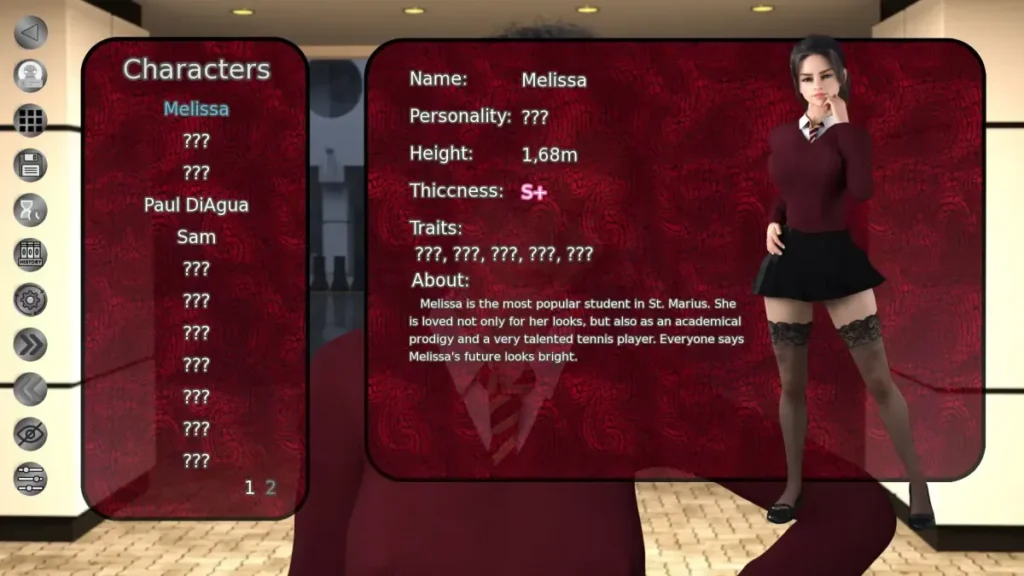
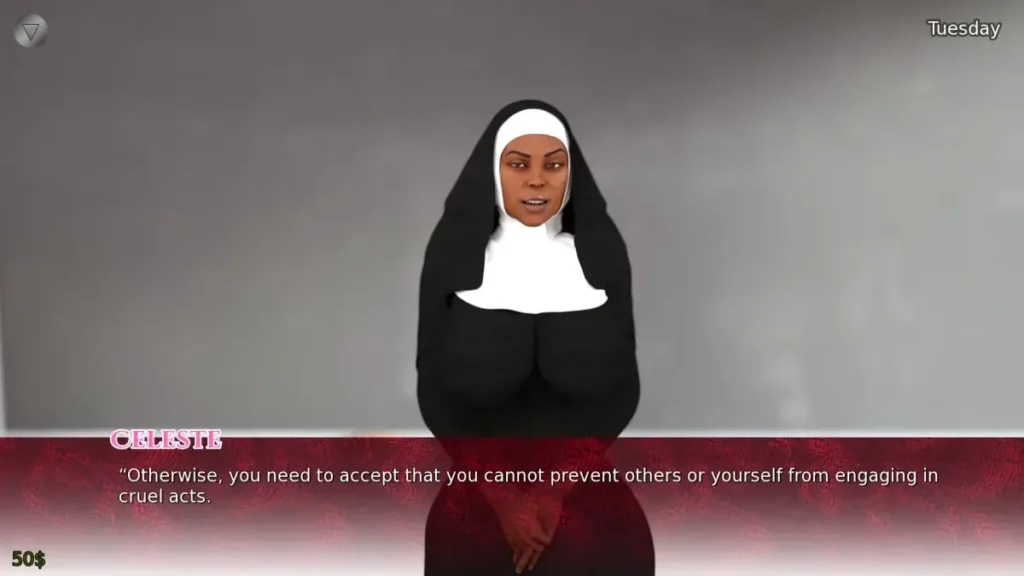












Time Implosion review
A player-focused guide to mechanics, narrative, and tips for Time Implosion
Time Implosion is a single-game title that blends interactive storytelling with branching-choice mechanics, placing the player at the center of a time-bending scenario that affects character relationships and outcomes. In this article I walk you through the game’s premise, core systems, and practical play tips so you can get the most from your experience with Time Implosion. I’ll share personal play anecdotes, clear explanations of mechanics, and actionable strategies that work whether you’re aiming to complete every path or simply enjoy the main storyline.
What Is Time Implosion? Core Overview
So, you’ve heard the name Time Implosion buzzing around and you’re curious. Maybe a friend won’t stop talking about their latest playthrough, or you’ve seen some intriguing screenshots of a world frozen in crystalline shards. Whatever brought you here, welcome! 🎮 This isn’t just another game; it’s a narrative labyrinth where every second counts—literally. Let’s pull back the curtain on this critically acclaimed experience and explore exactly what makes it tick.
What’s the central premise of Time Implosion?
At its heart, the Time Implosion game is a masterful blend of suspenseful visual novel and strategic adventure, all wrapped around a mind-bending sci-fi concept. The setting is the Chronos-7 research facility, a pinnacle of human achievement dedicated to mastering temporal physics. You step into the role of Dr. Aris Thorne, a brilliant but ethically conflicted physicist.
The “implosion” in the title isn’t just for show. The core hook is a catastrophic experiment gone wrong, causing time within the facility to fracture and splinter. One moment you’re in a pristine lab; the next, you’re witnessing its rusted, abandoned future, or even its violent, chaotic past—all in the blink of an eye. ⏳💥 The stakes are immense: contain the temporal collapse, save your colleagues, and prevent the rupture from consuming the world outside. But here’s the catch: your understanding of cause and effect is your primary tool. You’ll use information learned in one time period to solve problems in another, creating a fascinating puzzle box where the past, present, and future are in constant conversation.
This isn’t about fast reflexes; it’s about perception, empathy, and the weight of choice. The Time Implosion story asks profound questions: If you could see the consequences of your actions, would you make different choices? Can you sacrifice a few to save many, and who gets to make that call? The facility becomes a character itself, its shifting states reflecting the narrative’s tension and your evolving path.
Who are the main characters and relationships?
The soul of any great narrative lies in its people, and Time Implosion characters are its greatest strength. You’re not navigating this crisis alone; your relationships with the core cast are the emotional engine of the game and the key to unlocking its many endings.
- Dr. Aris Thorne (You): More than just an avatar, Aris is defined by your choices. Are you a pragmatic leader focused on the mission, a compassionate soul trying to save everyone, or a desperate scientist willing to cross moral lines? Your dialogue and actions shape Aris’s personality in the eyes of others.
- Captain Elara Vance (Security Chief): The steadfast rock of the facility. Vance is loyal, brave, and protocol-driven. Her trust is hard-earned but unwavering. Your choices regarding safety, chain of command, and the value of individual lives directly impact your relationship with her. A high trust level with Vance might unlock tactical options and unwavering support, while alienating her could leave you isolated when you need help most. 🛡️
- Dr. Leo Finch (Lead Engineer): The genius with a heart, Finch is the emotional core of the team. He’s optimistic, values every life intensely, and often clashes with more utilitarian viewpoints. Choices that prioritize compassion, preserving life, and ethical science will resonate with him. His “Relationship Meter” is a gauge of your humanity in the face of disaster.
- Director Selene Gray (Mission Commander): The enigmatic leader whose motivations become increasingly unclear as the crisis deepens. Is she a cold pragmatist making the tough calls for the greater good, or is there a more personal agenda at play? Your alignment with or defiance of her orders creates one of the game’s central dramatic tensions.
The magic happens in how these relationships intersect. Supporting Vance might mean overriding Finch’s humanitarian concerns, and agreeing with Gray could make you an enemy in Vance’s eyes. The game brilliantly uses these dynamics to make every conversation feel consequential. You’re not just picking dialogue; you’re actively building—or burning—bridges that will support or collapse beneath you in the game’s climax.
How the branching narrative and endings work
This is where the Time Implosion game truly shines and earns its reputation. Forget the illusion of choice; this is a genuine branching narrative Time Implosion is built upon. Think of it less like a tree with a few big branches and more like a sprawling capillary system—small decisions ripple outwards, merging and diverging in unexpected ways.
The system is elegant yet deep. Key dialogue choices, actions taken (or not taken) in different time periods, and how you manage character trust all feed into a hidden “Narrative Alignment” score. The game doesn’t hold your hand with constant “THIS WILL HAVE CONSEQUENCES” pop-ups. Instead, it trusts you to live with your decisions, often revealing their impact hours later in a devastating, “oh no, that’s why that happened” moment. 🔀
The game features a generous autosave system, but it only preserves one timeline. There’s no quick-save scumming without manually backing up files. This design choice is intentional—it forces you to commit, making the stakes of your choices feel real and permanent. You can replay chapters, but the game remembers your overall path.
Now, for the moment you’ve been curious about: the Time Implosion endings. There are five core, radically different endings, each with minor variations based on specific character survivals and relationship states. These aren’t just different cutscenes; they represent fundamentally different conclusions to the temporal crisis and fates for the characters you’ve grown to care about.
Let me share a personal moment that hammered this home. Early on, I found a damaged power regulator in the “future” wreckage of the engineering bay. Later, in the “present,” Finch was struggling to stabilize the core and mentioned a missing regulator. I had a choice: give him the broken one from the future (a paradox with unknown effects) or let him spend time rigging a dangerous workaround. Thinking I was being clever and efficient, I handed over the future-tech. The game didn’t stop me. It didn’t warn me. It just… continued. Hours later, during a critical escape sequence, that same engineering bay—now in an alternate “corrupted” timeline I’d created—was filled with deadly temporal feedback loops that Finch couldn’t disable because he’d never learned the proper workaround. A character didn’t make it because of my “smart” choice. My heart sank. That’s the power of this narrative.
| Ending Name (No Spoilers) | Central Theme | Key Determinants |
|---|---|---|
| The Sacrifice | Utilitarian Victory | High alignment with Director Gray’s methods; prioritizing the mission above all. |
| The Legacy | Hope & Renewal | Strong bond with Dr. Finch; choices focused on preservation and ethical science. |
| The Sentinel | Duty & Guardianship | Earning Captain Vance’s ultimate trust; upholding protocol and collective safety. |
| The Ascension | Ambition & Power | Embracing the temporal chaos for personal or radical advancement; often requires specific hidden choices. |
| The Collapse | Catastrophic Failure | Critical failures in key crises; low trust with all major characters; a tragic conclusion. |
Presentation plays a huge role in immersion. The UI is sleek and diegetic, resembling a futuristic holographic display from your character’s wrist-comm. The visual style uses a distinctive color palette to signal time periods: cool blues for the past, stark whites and neutrals for the present, and ominous amber and decay for the future. Shifts between periods are seamless, often signaled by a chilling audio cue and a subtle screen warp, keeping you constantly on edge.
Pro Tip: Don’t try to “game” the system on your first playthrough. Play authentically. React as you truly would. The emotional impact is infinitely greater, and you’ll have a personal, messy, and unique story to reflect on before you dive back in to explore other paths.
Understanding these core elements—the premise, the people, and the profound weight of your choices—is what transforms a simple playthrough into a deeply engaging experience. It allows you to move from passively following a story to actively authoring it. You’ll start to think not in terms of “good or bad” choices, but in terms of values, consequences, and the kind of person Dr. Aris Thorne will become in the face of infinity.
So, why do players absolutely love Time Implosion?
- Story Depth: The Time Implosion story is layered, intelligent, and respects the player’s intelligence. It’s a narrative that stays with you long after the credits roll. 📚
- Unmatched Replayability: With five major endings and hundreds of branching points, no two playthroughs are ever the same. The journey is always fresh.
- Superb Character Writing: The Time Implosion characters feel real, with complex motivations and evolving relationships that respond authentically to your input.
- The “Aha!” Moment: The satisfaction of connecting a clue from the past to a problem in the future is unparalleled. It makes you feel genuinely clever.
- Emotional Weight: Your choices carry tangible, emotional consequences, creating a powerful sense of ownership over your unique story.
Now that you know what lies at the heart of the Chronos-7 facility, you’re ready to step into the fracture. Good luck, Doctor. Time is waiting—and it’s not on anyone’s side. ⏱️✨
Time Implosion rewards patient exploration: its branching structure, character-driven scenes, and time-based mechanics create strong replay value and meaningful choices. By understanding core systems, using disciplined save strategies, and tapping community resources you can experience the most compelling storylines and unlock multiple endings with less frustration. Try one structured run focused on a single goal, then experiment with targeted tests to reveal alternate outcomes—if you enjoyed this guide, start your first run using the save strategy suggested above and share your findings with the community.